
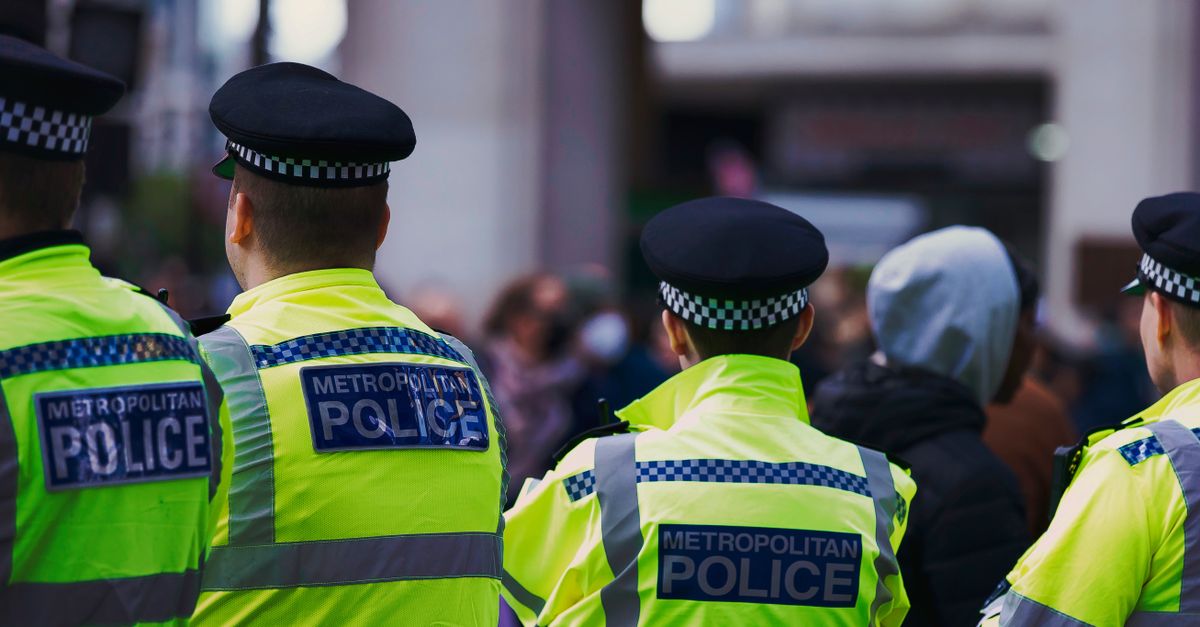
The UK is generally a safe place to travel, and most visits pass without any trouble at all. As anywhere, a little awareness goes a long way, especially in busy city centres and up in the hills, where the weather can turn quickly.
General safety
Most visitors never run into anything worse than a lost umbrella. City centres stay lively late into the night, particularly at weekends, and are generally well policed, though groups of drinkers can get rowdy around closing time. Stick to busy, well-lit streets after dark, keep an eye on your drink, and use licensed taxis or a ride app to get back to your accommodation. Police officers are approachable and used to helping lost visitors.
Get your United Kingdom eSIM in 30 seconds
Instant delivery, 4G/5G speeds, no roaming bills.
Pickpockets and phone theft
Petty theft is the problem you are most likely to face. Pickpockets work crowded places such as Oxford Street, Leicester Square, Covent Garden, busy Tube stations and street markets. In London, thieves on bikes or scooters sometimes snatch phones from people using them at the kerbside, so step back from the road or into a doorway when you check directions. Keep bags zipped and in front of you, avoid hanging them on the back of your chair in cafés and pubs, and do not leave phones lying on outdoor tables.
Scams to watch for
- Unlicensed minicabs: drivers touting for passengers outside clubs and stations may not be licensed or insured. Use black cabs, pre-booked minicabs or a ride app.
- Street gambling: the cup-and-ball game played on Westminster Bridge and in other tourist spots is rigged, and the onlookers who seem to win are often part of the team.
- Ticket touts: resold tickets for shows, concerts and football matches may be fake or heavily marked up, so buy from official box offices or the venue's own website.
- Card skimming: use cash machines inside banks or shops where possible and shield your PIN.
- Rental listings: be wary of accommodation listings that ask you to pay by bank transfer outside the booking platform.
Health basics
Tap water is safe to drink throughout the UK. For minor ailments, pharmacies, often called chemists, can give advice and sell common medicines, and larger branches in cities may open late. For urgent medical problems that are not life-threatening, you can call 111 for advice in England, Scotland and Wales, while serious emergencies are treated at A&E (Accident and Emergency) departments. Depending on where you live, hospital care may not be free for you, so make sure your travel insurance includes medical cover, and carry prescription medicines in their original packaging.
Outdoors, weather and water
- Weather on the mountains of the Lake District, Eryri and the Highlands can change within an hour. Carry waterproofs, warm layers, food and a map, and tell someone your route.
- Daylight is short in winter, so start hill walks early.
- On the coast, check tide times before walking on beaches or around headlands, as a rising tide can cut you off.
- Swim at lifeguarded beaches between the red and yellow flags, and remember that the sea stays cold even in summer.
- For emergencies in the mountains or at the coast, call 999 and ask for the police, who coordinate mountain rescue, or for the coastguard.
Emergency numbers and areas to take care
- 999 or 112: police, ambulance, fire service and coastguard in an emergency.
- 101: the police non-emergency number, for reporting a theft after the fact.
- 111: urgent medical advice in England, Scotland and Wales.
Most places visitors go to are perfectly safe. Take normal care in very crowded tourist hubs, around big railway stations late at night, and in town centres at pub closing time on Friday and Saturday nights. On football match days, avoid wearing a rival team's colours near the stadium and the pubs around it.
Stay connected in the United Kingdom
When something goes wrong, mobile data lets you share your live location with friends, find the nearest pharmacy or A&E, check rail disruption or a mountain forecast and message your accommodation. A HelloSIM eSIM is data-only, so you install it at home and it connects on arrival, while your own number stays on your phone for calls and texts. Save the key numbers above in your contacts before you set off.
Get your United Kingdom eSIM in 30 seconds
Instant delivery, 4G/5G speeds, no roaming bills.