
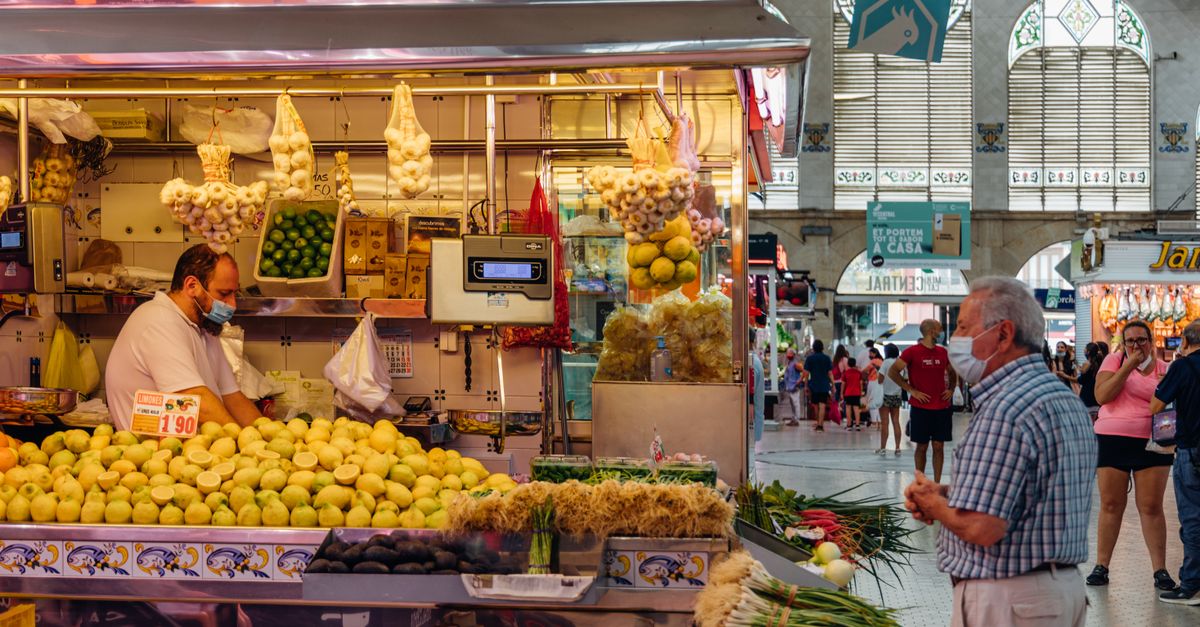
Spain is good value by western European standards, but costs swing a lot between cities, seasons and travel styles. The figures below are rough ranges per person per day, and prices change, so treat them as a starting point rather than a quote.
Daily budgets at a glance
- Budget: roughly 60 to 90 euros a day. A hostel dorm or simple guesthouse, a menú del día at lunch, supermarket breakfasts, public transport and plenty of free sights.
- Mid-range: roughly 120 to 200 euros a day. A comfortable double room shared with a partner, sit-down meals, a couple of paid attractions and the occasional high-speed train.
- Luxury: from around 300 euros a day and well beyond. Boutique or five-star hotels, tasting menus, private guides and taxis everywhere.
Barcelona, Madrid, San Sebastián and the Balearic Islands in summer sit at the top end. Inland Andalusia, Galicia, Extremadura and smaller cities are noticeably more affordable.
Get your Spain eSIM in 30 seconds
Instant delivery, 4G/5G speeds, no roaming bills.
Accommodation
Where you sleep is usually the biggest cost. As a rough guide:
- Hostel dorm beds: around 20 to 45 euros a night, more in peak summer in the big cities.
- Mid-range hotel doubles: roughly 80 to 160 euros a night.
- Upmarket hotels: from around 200 euros a night.
Rates jump at Easter, in July and August and during major festivals. Catalonia and the Balearic Islands, among other places, also add a tourist tax per night on top of the room rate.
Food and drink
Eating out is one of Spain's great bargains, especially at lunchtime.
- Menú del día: roughly 12 to 20 euros for a weekday set lunch, often with a drink included.
- Tapas: around 3 to 6 euros a plate in a typical bar, more for ham or seafood.
- Coffee: around 1.50 to 2.50 euros. A caña, or small beer, costs roughly 2 to 3.50 euros.
- Dinner at a mid-range restaurant: around 25 to 45 euros per person with wine.
Prices drop noticeably a few streets away from the main squares and seafronts.
Transport
- City metro or bus: around 1.50 to 2.50 euros a ride, less per trip with a ten-journey ticket.
- High-speed trains: fares vary widely, from around 20 to 40 euros on low-cost services booked early to 100 euros or more for a last-minute seat on a busy route.
- Coaches: usually less than the train for the same journey, though slower.
- Car rental: often affordable outside peak season, but add fuel, tolls and city parking.
Sights and activities
Many of Spain's best experiences are free: plazas, old towns, beaches, markets, parks and the evening paseo. Headline monuments such as the Sagrada Família, the Alhambra and the Real Alcázar are among the priciest single tickets, so budget for them separately. Several major museums offer free entry at set times, while flamenco shows, guided tours and day trips add up quickly if you book several.
Money-saving tips
- Make lunch your main meal with a menú del día, and keep dinner to a few tapas.
- In Granada, León and some other cities, a free tapa often comes with each drink.
- Book high-speed trains early, and compare the low-cost operators on the same route.
- Travel in spring or autumn rather than midsummer for lower room rates.
- Carry a refillable bottle, as tap water is fine to drink in most cities.
- Shop at markets and supermarkets for picnic breakfasts and beach lunches.
- Base yourself in a smaller city such as Granada or Córdoba rather than the priciest coastal resorts.
Stay connected in Spain
Mobile data quietly protects your budget: it lets you compare menus before you sit down, grab advance train fares and check free-entry times without paying for extras. Roaming on a home plan from outside the EU often adds a daily fee, so check your current tariff before relying on it. A HelloSIM eSIM is prepaid and data-only, so you know your connectivity cost before you leave; install it at home and it connects once you arrive.
Get your Spain eSIM in 30 seconds
Instant delivery, 4G/5G speeds, no roaming bills.