
There is no bad time to visit the UK, but each season changes the experience, from long light evenings in summer to quieter streets and lower hotel rates in winter. The weather is famously changeable, so whichever month you choose, pack layers and a waterproof jacket.
Spring (March to May)
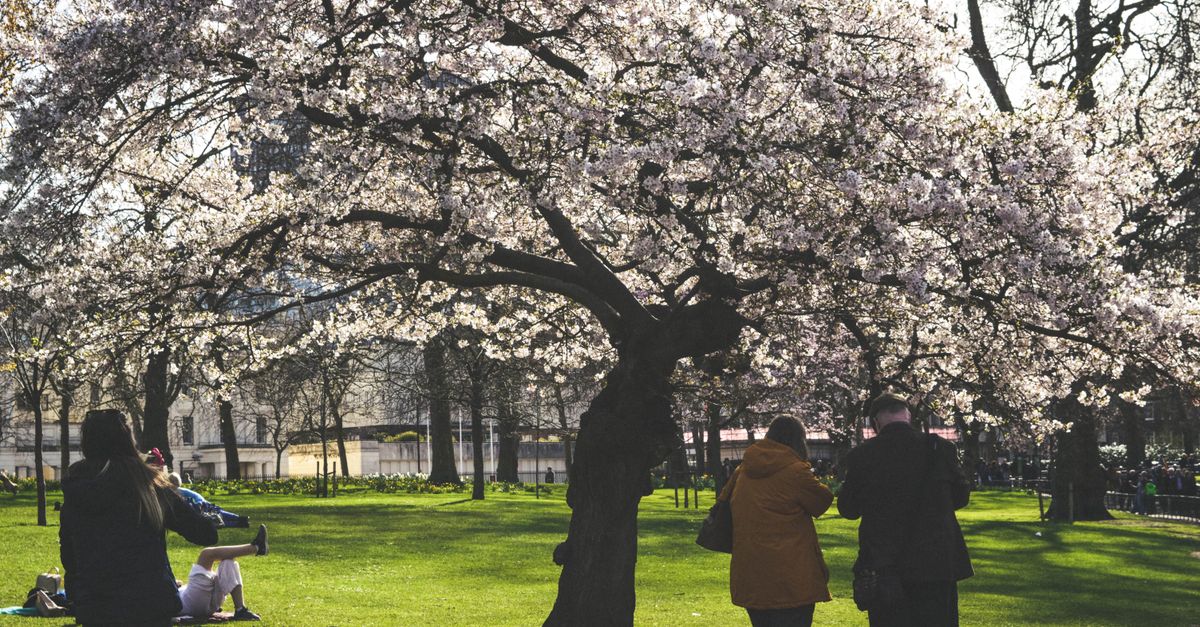
Spring brings blossom to city parks, bluebell woods in late April and May, and lambs in the fields. Daytime temperatures range from cool to mild, roughly 8 to 17°C as the season goes on, and showers alternate with bright, clear days. Crowds are moderate apart from the Easter holidays, when families fill popular sights and prices rise. May is often one of the sunniest months, making it a sweet spot for walking in the Lake District or the Scottish Highlands before the summer rush.
Get your United Kingdom eSIM in 30 seconds
Instant delivery, 4G/5G speeds, no roaming bills.
Summer (June to August)
This is the warmest and busiest season. Daytime temperatures usually sit in the high teens to mid-twenties Celsius, with occasional heatwaves, and evenings stay light until late, especially in Scotland, where midsummer dusk lingers well after 10pm. School summer holidays fill late July and August, so accommodation prices peak and trains, beaches and big attractions get crowded. In the Highlands, tiny biting insects called midges can be a nuisance from late spring to late summer, so pack repellent.
Autumn (September to November)
September is often settled and mild, which makes it one of the best months for a city-and-countryside trip once the summer holidays end. October brings autumn colour to parks, forests and Highland glens, though days shorten quickly and rain becomes more frequent. Prices ease and queues shrink, except during the half-term school break in late October. The clocks go back an hour at the end of October, and on 5 November Bonfire Night lights up towns across the country with fireworks.
Winter (December to February)
Winters in most cities are cool and damp rather than harsh, with temperatures often around 2 to 8°C. Snow is more likely in the Scottish Highlands, which have several ski areas. Days are short: in London the sun sets around 4pm in late December, and earlier further north. December is festive, with Christmas markets, light displays and pantomimes, but public transport is very limited on Christmas Day and many attractions close. January and February are the quietest months, often with the lowest hotel rates of the year, and a good time to focus on museums, theatre and cosy pubs.
Festivals and holidays worth planning around
- Chelsea Flower Show (May): London's best-known garden show.
- Wimbledon (late June to early July): the tennis championships in south-west London.
- Glastonbury Festival (late June, in most years): one of the world's biggest music festivals, held on a farm in Somerset.
- Edinburgh's festivals (August): the Fringe, the International Festival and the Royal Edinburgh Military Tattoo fill the city with performances.
- Notting Hill Carnival (August bank holiday weekend): a huge celebration of Caribbean culture in west London.
- Burns Night (25 January) and Hogmanay (31 December): Scotland's celebrations of its national poet and of the new year.
- Bank holidays: public holidays, usually on Mondays, mean busier roads, trains and attractions. Dates differ slightly between England, Scotland, Wales and Northern Ireland.
Stay connected in the United Kingdom
British weather means plans often change at short notice, so live forecasts, rain radar and rail updates are worth having in your pocket whatever the season. A HelloSIM eSIM keeps you online with data-only service: install it at home over Wi-Fi, and because its validity only starts once it connects in the UK, you can buy it as soon as your dates are set.
Get your United Kingdom eSIM in 30 seconds
Instant delivery, 4G/5G speeds, no roaming bills.