
Before eSIMs, the savvy traveller's trick was a travel SIM card: a small piece of plastic bought before the trip that worked in more than one country and spared you the roaming bill. These cards still exist, and in some situations they are still the right call. But the eSIM does the same job without the plastic, and the differences show up in the details of daily travel rather than in the headline.
Here is how the two compare at each stage, from getting hold of one to using it on your next trip.
Two ways to carry a foreign data plan
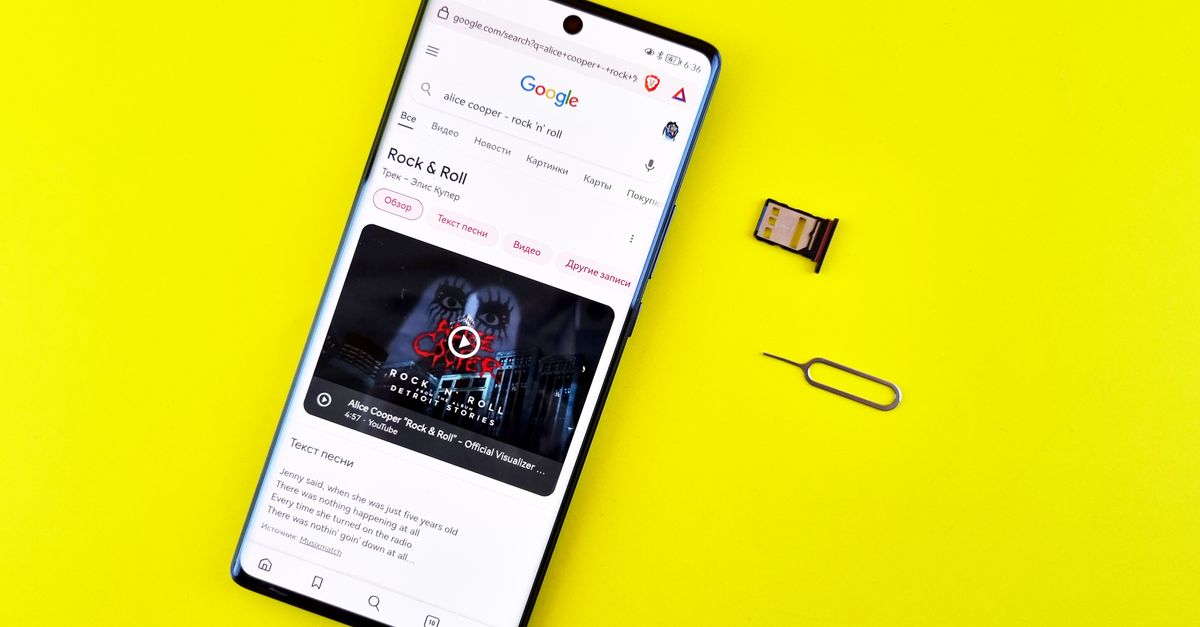
A travel SIM card, sometimes sold as an international SIM card, is a physical chip in a credit-card-sized holder. You pop out the size your phone needs, take your own SIM out of the tray and put the travel card in its place.
A travel eSIM is the same idea in digital form. Your phone has a chip built in, and you download a plan onto it by scanning a QR code or entering an activation code. Nothing goes in or out of the SIM tray, and your own SIM card stays exactly where it is.
Get your Global eSIM in 30 seconds
Instant delivery, 4G/5G speeds, no roaming bills.
Getting your hands on one
Physical cards have to reach you. Ordered online, they travel by post, which means allowing time for delivery and hoping the envelope does not go astray, particularly when you order close to departure. Some are sold in shops or at airports, which only helps if you pass the right counter at the right time.
An eSIM arrives by email. With HelloSIM, the QR code is delivered by email straight away after payment, and it is also kept in your account and the app. You can check out as a guest with just an email address, so even a trip booked the night before is not a problem, as long as you can install it over Wi-Fi before you leave.
Swapping cards vs switching lines
With a physical card, the swap is a small operation: power off, find the ejector pin (or a bent paper clip), slide out the tray, exchange the cards and put the home SIM somewhere safe. That last part is where things go wrong. A nano-SIM is smaller than a fingernail, and hotel bedside tables, seat-back pockets and coat linings swallow them easily.
With an eSIM, there is nothing to remove. Both lines sit side by side in your settings, and you decide which one handles mobile data. Changing your mind means tapping a switch, not hunting for a pin.
Your number and your text-message codes
This is the difference many travellers only notice once they are away. In a phone with a single SIM slot, putting in a travel SIM card means taking your own card out, so your usual number goes offline. Calls to it are missed, and so are the one-time codes banks and online services send by text message.
An eSIM avoids that trade-off. HelloSIM eSIMs are data-only, so they add mobile internet without a local number, while your own SIM stays in place for calls and texts. Calls and messages to friends and family work over data apps such as WhatsApp, FaceTime, Telegram or Viber, and WhatsApp stays on your usual number. Keep data roaming switched off on your home line so your carrier does not add roaming charges for data.
Some physical travel SIM cards include a phone number with calls and texts. If you specifically need a number at your destination, that is a genuine point in their favour.
Get your United States eSIM in 30 seconds
Instant delivery, 4G/5G speeds, no roaming bills.
Using it again on the next trip
Some travel SIM cards are designed to be kept and recharged for future trips. The catch is remembering where the card is, and checking that it has not expired: many prepaid cards lapse after a period without use, so read the terms.
Most eSIM phones can store more than one eSIM profile, so a travel line can sit quietly next to your main SIM. With HelloSIM, if you need more data during the same trip, a top-up adds it to the same eSIM without reinstalling anything. For a different destination, you simply buy a plan for that place and install it the same way.
Pros and cons side by side
Travel SIM card: pros
- Works in phones without eSIM support, provided they are unlocked
- Easy to move from one phone to another
- Some versions include a phone number for calls and texts
Travel SIM card: cons
- Delivery time, or a shop or counter to find
- Your own SIM has to come out of a single-slot phone
- Tiny, easy to lose, and you need the ejector pin
Travel eSIM: pros
- Delivered by email straight away and installed at home before you fly
- Your own SIM and number stay in the phone
- No card to lose and no tray to open
- Regional and Global plans for trips across several countries
Travel eSIM: cons
- Needs an eSIM-compatible, carrier-unlocked phone
- Installed on one phone, so it does not move between devices like a card
- HelloSIM eSIMs are data-only, with no local phone number
Which one fits your trip?
Choose an eSIM if your phone supports it and is unlocked, you want your usual number reachable, you are booking late, or you are crossing several borders and want one regional plan rather than a card per country. Typical eSIM phones include the iPhone XS and XR and newer, Google Pixel 3 and newer, and recent Samsung Galaxy S and Z models plus many A models. The surest test is an "Add eSIM" option in your settings. One exception catches people out: iPhones bought in mainland China, Hong Kong or Macao are often dual physical-SIM models without eSIM.
Choose a physical travel SIM card if your phone has no eSIM support, if you want to move the same plan between phones, or if a phone number at your destination matters more to you than keeping your own number active.
Get your Europe eSIM in 30 seconds
Instant delivery, 4G/5G speeds, no roaming bills.