
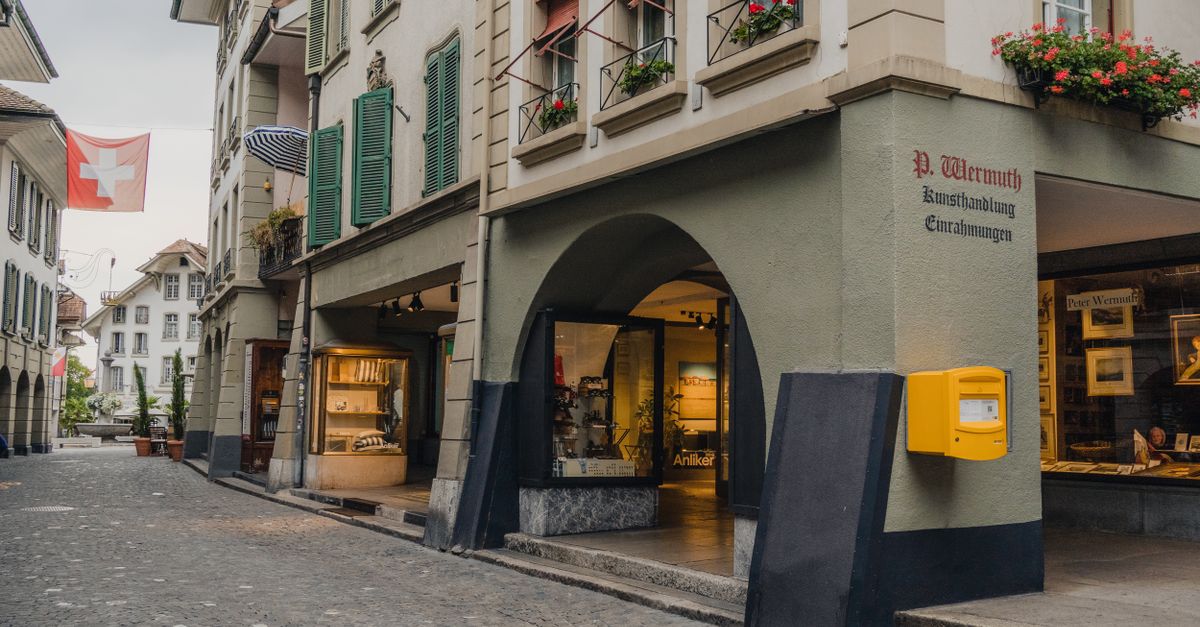
Switzerland runs on courtesy, punctuality and a strong sense of shared order. Nobody expects visitors to know every unwritten rule, but a few habits will make your encounters warmer, whether you are in a Zurich café or a village in the Valais.
Four languages, one country
Switzerland has four national languages, and which one you hear depends on where you are:
- German in the north, centre and east. People speak Swiss German dialects among themselves but use Standard German for writing and announcements.
- French in the west, including Geneva, Lausanne and Montreux.
- Italian in Ticino and a few southern valleys of Graubünden.
- Romansh, spoken by a small minority in parts of Graubünden.
English is widely spoken in cities and tourist areas, but opening with a local greeting is always noticed. Don't assume German is spoken everywhere; in Geneva, French is the default.
Get your Switzerland eSIM in 30 seconds
Instant delivery, 4G/5G speeds, no roaming bills.
Greetings and everyday courtesy
A firm handshake with eye contact is the standard greeting with strangers. Among friends, especially in the French-speaking west, three kisses on the cheek are common; let the other person lead. Say hello when you walk into a small shop, a bakery or a lift, and goodbye when you leave. Use surnames with "Herr" and "Frau" or "Monsieur" and "Madame" until you are invited to switch to first names.
Punctuality, quiet and order
Being on time is a form of respect, and trains leave exactly when the timetable says. If you will be late for a dinner or a tour, send a message ahead. Sundays are a day of rest: most shops close and residents expect quiet, so in holiday apartments skip noisy chores and loud gatherings. Recycling is taken seriously, with separate collection for glass, paper and PET bottles, so follow the house rules wherever you stay. Waiting for the green signal at pedestrian crossings is the norm, even on empty streets.
Religion, churches and what to wear
Switzerland has a mainly Christian heritage with long Catholic and Protestant traditions; Geneva and Zurich were key centres of the Reformation. Churches welcome visitors, but keep your voice low, cover bare shoulders where you can and avoid sightseeing during services. Everyday dress is neat and practical: smart-casual in cities, and layers with sturdy shoes in the mountains. In many spa saunas, especially in German-speaking areas, swimwear is not worn in the sauna zone itself, so follow the posted signs.
Dos and don'ts
- Do bring a small gift such as flowers, chocolates or wine if you are invited to someone's home.
- Do look each person in the eye when you clink glasses, saying "Prost", "Santé" or "Salute".
- Do close gates behind you on hiking trails and give grazing cows plenty of space.
- Don't talk loudly on public transport, and respect the quiet zones marked on some trains.
- Don't put your feet on train seats or leave litter behind.
- Don't ask people what they earn; money is a private subject.
Useful phrases
- Grüezi (roughly GREW-tsee): a polite hello in German-speaking areas
- Merci vielmal: thank you very much, as Swiss German borrows "merci" from French
- Bonjour and merci: hello and thank you in the French-speaking west
- Buongiorno and grazie: hello and thank you in Ticino
- En Guete: enjoy your meal, said before everyone starts eating
Stay connected in Switzerland
When the language changes from one valley to the next, a translation app with camera mode is invaluable for signs, menus and house rules. Mobile data also lets you message hosts if you are running late, which matters in a country that values punctuality. A HelloSIM eSIM is data-only: install it over Wi-Fi before you travel, keep your own SIM for calls, and the plan connects as soon as you arrive.
Get your Switzerland eSIM in 30 seconds
Instant delivery, 4G/5G speeds, no roaming bills.