
Portugal is warm, courteous and a little reserved at first, with a strong sense of identity shaped by the sea, Catholic tradition and centuries of history. A few simple habits will help you fit in and make every encounter friendlier.
Greetings and everyday courtesy
A handshake is the standard greeting in formal settings. Friends and family usually greet each other with a kiss on each cheek, but as a visitor you can simply follow the other person's lead.
Politeness matters in small daily moments. Say "bom dia" or "boa tarde" when you walk into a shop, café or pharmacy, even if you're only browsing. With older people, a respectful "o senhor" or "a senhora" goes down well, and you'll notice Portuguese people often address graduates by titles such as "doutor". Service tends to be unhurried, so a little patience is part of the experience.
Language basics
The language is Portuguese, not Spanish, and the distinction matters to people here. Many Portuguese, especially younger people and those working in tourism, speak good English, and English is usually a better fallback than Spanish. Still, a few words of Portuguese are always appreciated:
- Bom dia / Boa tarde / Boa noite: good morning / good afternoon / good evening
- Obrigado / Obrigada: thank you (men say obrigado, women say obrigada)
- Por favor: please
- Com licença: excuse me, when you need to get past someone
- Desculpe, fala inglês?: sorry, do you speak English?
What to wear
Everyday dress is relaxed, but people in Lisbon and Porto tend to look neat rather than sporty. Save swimwear and bare chests for the beach and the promenade, not the town centre. Comfortable shoes with good grip are essential, because the beautiful black-and-white pavements, known as calçada portuguesa, are uneven and can be slippery. Bring a light layer for evenings, too, as the Atlantic breeze can be cool even in summer.
Religion and sacred places
Portugal is a predominantly Catholic country, and its churches are working places of worship rather than museums. Cover your shoulders and knees, keep your voice low and avoid taking photos during a service. A scarf in your daypack makes this easy in summer.
The Sanctuary of Fátima is one of the most important Catholic pilgrimage sites in the world. The biggest pilgrimages take place around 12 to 13 May and 12 to 13 October, when you may see pilgrims who have walked for days, some approaching the chapel on their knees. Visit quietly and respectfully. In summer, many towns and villages also hold processions for their patron saints.
Fado, festivals and national pride
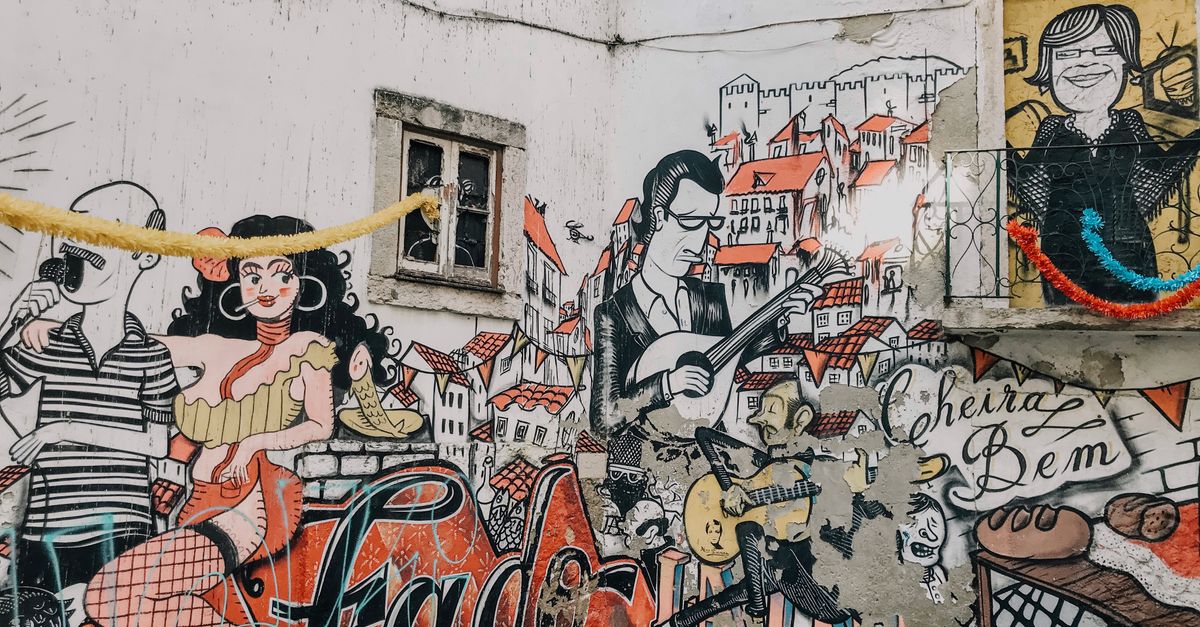
Fado, the melancholic song style recognised by UNESCO as intangible cultural heritage, is closely tied to the idea of saudade, a bittersweet longing. During a performance the lights dim and the room falls silent; talking, clinking glasses or using flash is considered rude. Lisbon's Alfama and Mouraria are the classic places to listen, and Coimbra has its own tradition.
June brings the Santos Populares, the popular saints' festivals, with street parties, grilled sardines and pots of basil in Lisbon, and plastic hammers playfully bopped on heads in Porto. Football inspires deep loyalties to Benfica, Sporting and FC Porto, so keep any banter light-hearted. And 25 April, Freedom Day, marks the 1974 Carnation Revolution that restored democracy.
Dos and don'ts
Do:
- Greet staff when you enter and leave small shops.
- Ask for the bill when you're ready; it won't be brought automatically.
- Expect long, sociable meals and relax into them.
- Buy decorative tiles from shops rather than old azulejos of unclear origin.
Don't:
- Assume Portugal is just like Spain or open with Spanish.
- Talk through a fado song.
- Walk into a church straight from the beach.
- Climb on monuments or lift tiles from walls for a souvenir.
Stay connected in Portugal
Mobile data is a quiet cultural ally: you can show a translated phrase on your screen, look up fado nights and festival dates, check mass times before visiting a church and find a pharmacy when you need one. Your HelloSIM eSIM handles data only, leaving your home line free for calls and texts, and because you install it before leaving, it's ready to connect once you arrive.
Get your Portugal eSIM in 30 seconds
Instant delivery, 4G/5G speeds, no roaming bills.