
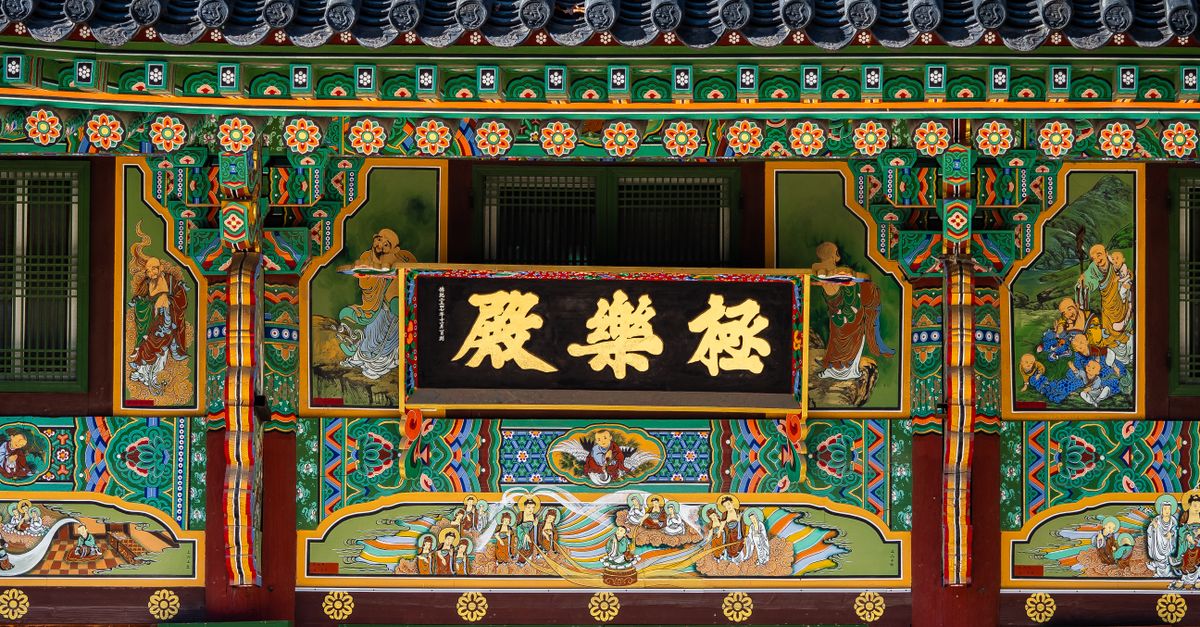
South Korea is fast-moving and high-tech, but everyday manners still draw on Confucian ideas of respect for age and hierarchy. Nobody expects visitors to know every rule, and a little effort earns real warmth.
Greetings and respect
A slight bow with a smile is the standard greeting, and a deeper bow shows extra respect, for example to someone much older. Many Koreans will offer foreigners a handshake, often with a small bow at the same time and the left hand lightly supporting the right forearm. Give and receive money, cards and gifts with both hands, or with the right hand while the left touches your wrist.
Age matters. People may ask how old you are soon after meeting, not out of nosiness but to work out how to address you. Use titles and surnames rather than first names unless invited otherwise.
Get your South Korea eSIM in 30 seconds
Instant delivery, 4G/5G speeds, no roaming bills.
Dress and appearance
City style is fashionable rather than formal, and Koreans tend to dress neatly. Shorts and sleeveless tops are fine in summer in town and at the beach, but cover shoulders and knees for temples. Take your shoes off when entering homes, temple halls, some guesthouses and restaurants with floor seating; a raised step or a rack of shoes at the entrance is your cue.
Renting a hanbok, the traditional dress, to wander the palaces is popular with Koreans and visitors alike, and is generally seen as a fun way to show appreciation for the culture.
Religion and sacred sites
Many Koreans say they follow no religion, while Buddhism and Christianity are the largest faiths, and Confucian rituals such as ancestral rites still shape family holidays. At Buddhist temples:
- Keep your voice low, especially near halls where people are praying.
- Use the side doors of a main hall rather than the central doorway.
- Ask before photographing monks or worshippers, and respect signs banning photos inside halls.
- Consider a templestay, where you join monks for meals, meditation and early-morning chanting.
Dos and don'ts
- Do keep calls quiet on the subway, and leave the priority seats free for older passengers and the pink seats for pregnant women.
- Do carry your rubbish until you find a bin, and follow the local recycling sorting.
- Do shower fully before entering the pools at a jjimjilbang (bathhouse); bathing areas are single-sex and nude.
- Don't write someone's name in red ink, which is traditionally associated with the dead.
- Don't blow your nose loudly at the table.
- Don't be surprised when lifts show "F" instead of a fourth floor: the number four sounds like the word for death.
Holidays and family life
The biggest holidays are Seollal (Lunar New Year) and Chuseok (the autumn harvest festival), when families travel to their hometowns, perform ancestral rites and share food. Cities go quiet, some shops and restaurants close for a few days and trains fill up well in advance. If you're invited into a Korean home, bring a small gift such as fruit or sweets.
Korean language basics
Hangul, the Korean alphabet, was created in the 15th century and is logical enough to learn in an afternoon, which makes signs and menus much less intimidating. These phrases cover most daily needs:
- Annyeonghaseyo: hello
- Gamsahamnida: thank you
- Joesonghamnida: sorry, or excuse me
- Igeo juseyo: this one, please
- Eolmayeyo? how much is it?
Younger people in the cities often speak some English, and signs on public transport and at major sights are bilingual.
Stay connected in South Korea
A translation app smooths conversations with shopkeepers, temple staff and guesthouse owners, and pointing your camera at a sign or notice helps wherever English runs out. A HelloSIM eSIM keeps that working away from Wi-Fi: it's data-only, you set it up at home before you leave and it connects on arrival, while calls and texts still reach your own SIM.
Get your South Korea eSIM in 30 seconds
Instant delivery, 4G/5G speeds, no roaming bills.