
Vietnam is a welcoming, generally safe country, and violent crime against visitors is rare. The real risks are more everyday: chaotic traffic, opportunistic theft and a handful of well-worn scams. Knowing what to look out for lets you relax and enjoy the trip.
Get your Vietnam eSIM in 30 seconds
Instant delivery, 4G/5G speeds, no roaming bills.
Traffic: the biggest everyday risk
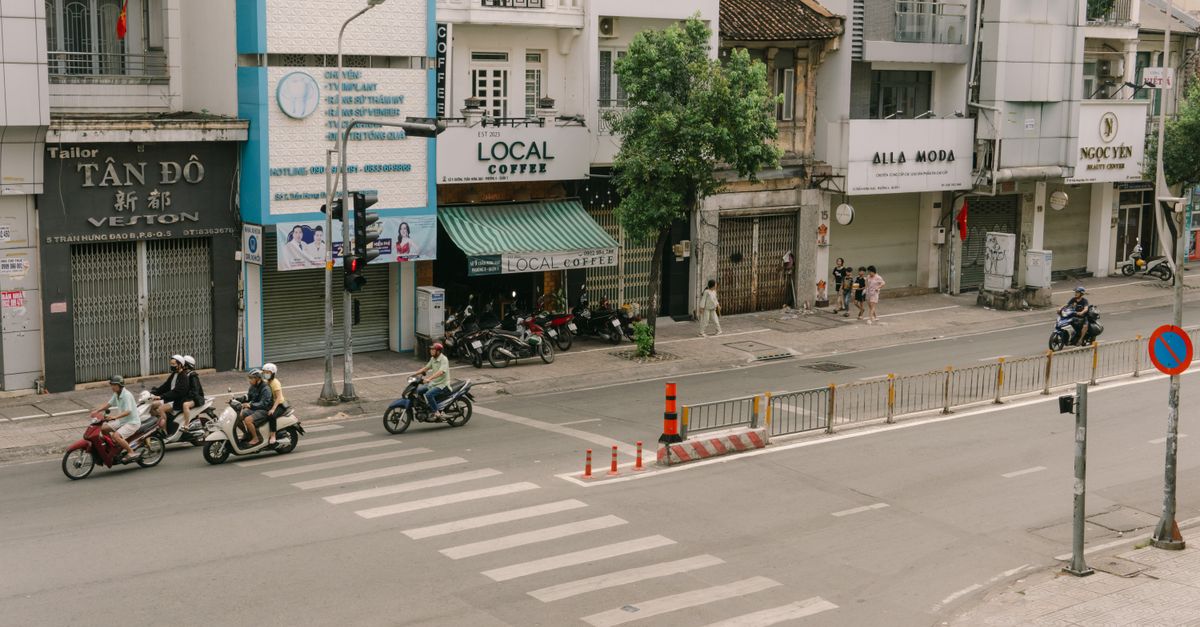
Motorbikes fill the streets of every Vietnamese city, and they don't always stop at red lights or stay off the pavement. To cross, walk at a slow, steady pace, make eye contact with oncoming riders and avoid sudden stops or dashes; riders steer around a predictable pedestrian. Crossing alongside a local is a good way to learn.
If you ride a motorbike yourself, wear a proper helmet, avoid riding at night or in heavy rain, and be honest about your experience. Read your travel insurance carefully, as many policies exclude riding without the right licence.
Common scams and how to avoid them
- Rigged or fake taxis: some cars mimic well-known taxi brands or run fast meters. Book through a ride-hailing app or ask your hotel to call a reputable firm.
- Banknote mix-ups: the 20,000 and 500,000 VND notes are both blue and easy to confuse in a hurry. Keep large and small notes apart and count your change.
- Photo and shoeshine charges: vendors may hand you a fruit basket for a photo, or start cleaning your shoes, then demand payment. A polite, firm "no, thank you" keeps you clear.
- Cyclo surprises: a price agreed for a short ride can suddenly grow. Confirm the total, the currency and the route before you climb in.
- Rental damage claims: photograph a rented motorbike from every angle before riding off.
- Copycat tour offices: popular operators are sometimes imitated by shops with near-identical names, so book through your accommodation or check reviews first.
Petty theft and where to take extra care
Phone and bag snatching by thieves on passing motorbikes is a well-known problem, particularly in Ho Chi Minh City. Hold your phone away from the road side when walking, wear a cross-body bag on the side away from traffic, and don't hang bags on the back of your chair at street cafés.
Keep a closer eye on your belongings in crowded places such as Ben Thanh Market, the Bui Vien backpacker street at night and the beer streets of Hanoi's Old Quarter. Leave your passport and spare cards in the hotel safe and carry a photo or photocopy instead. Solo travellers, including women travelling alone, generally find Vietnam easy-going, with the usual big-city care late at night.
Health basics
- Drink bottled or filtered water; many hotels leave complimentary bottles in the room.
- Respect the heat: drink plenty, wear sunscreen and a hat, and plan sightseeing for mornings and late afternoons.
- Use insect repellent, especially around dawn and dusk and in the rainy season.
- Pharmacies are easy to find in towns and cities, and the major cities have international clinics.
- See a travel health clinic before departure about recommended vaccinations, and buy travel insurance that covers medical treatment.
Weather, water and the outdoors
From roughly September to December, the central coast can see typhoons and floods, so follow local advice and keep plans flexible. Strong currents affect some beaches, particularly in the rougher months; swim where others swim and respect red flags. In the northern mountains, heavy rain can trigger landslides on roads, and in the former demilitarised zone around Quang Tri, stay on marked paths, as unexploded ordnance remains in some rural areas.
Emergency numbers
- 113: police
- 114: fire and rescue
- 115: ambulance
Operators may not speak English, so ask hotel staff or a local to help if you can. Save your embassy's details and your accommodation's address in your phone before you need them.
Stay connected in Vietnam
Mobile data is a quiet safety net: it lets you share your live location with friends, check that a ride-hailing car matches the app, translate a conversation with a pharmacist and find the nearest clinic. A HelloSIM eSIM is data-only and leaves your home SIM in the phone for regular calls and texts. Install it before you travel and it connects once you arrive.
Get your Vietnam eSIM in 30 seconds
Instant delivery, 4G/5G speeds, no roaming bills.