
The United States is not a low-cost destination, and costs vary hugely between Manhattan and a small town in the Midwest. The figures below are rough ranges in US dollars to help you plan; prices change often, so check current rates for your dates.
Daily budgets at a glance
Per person, per day, sharing a room where relevant:
- Budget: roughly $100–175, covering hostel dorms or basic motels, public transit, grocery stores, food trucks and free sights.
- Mid-range: roughly $200–400, covering a comfortable hotel, a sit-down dinner most days, some paid attractions and the odd ride-app trip.
- Luxury: around $500 and up, covering upscale hotels, fine dining, guided tours and private transfers.
Big cities such as New York, San Francisco, Boston and Honolulu sit at the top of these ranges, while smaller cities and rural areas sit at the bottom.
Get your United States eSIM in 30 seconds
Instant delivery, 4G/5G speeds, no roaming bills.
Accommodation
Accommodation is usually the biggest expense. A hostel dorm bed in a major city costs around $40–80 a night. A mid-range hotel runs roughly $150–300 a night in big cities, often more in New York and during big events or holidays. Along the highways, chain motels can be found for around $80–140. Watch for extras: some hotels add nightly resort or destination fees on top of local hotel taxes, and overnight parking in city centers can be steep.
Food and drink
- Coffee: around $3–6.
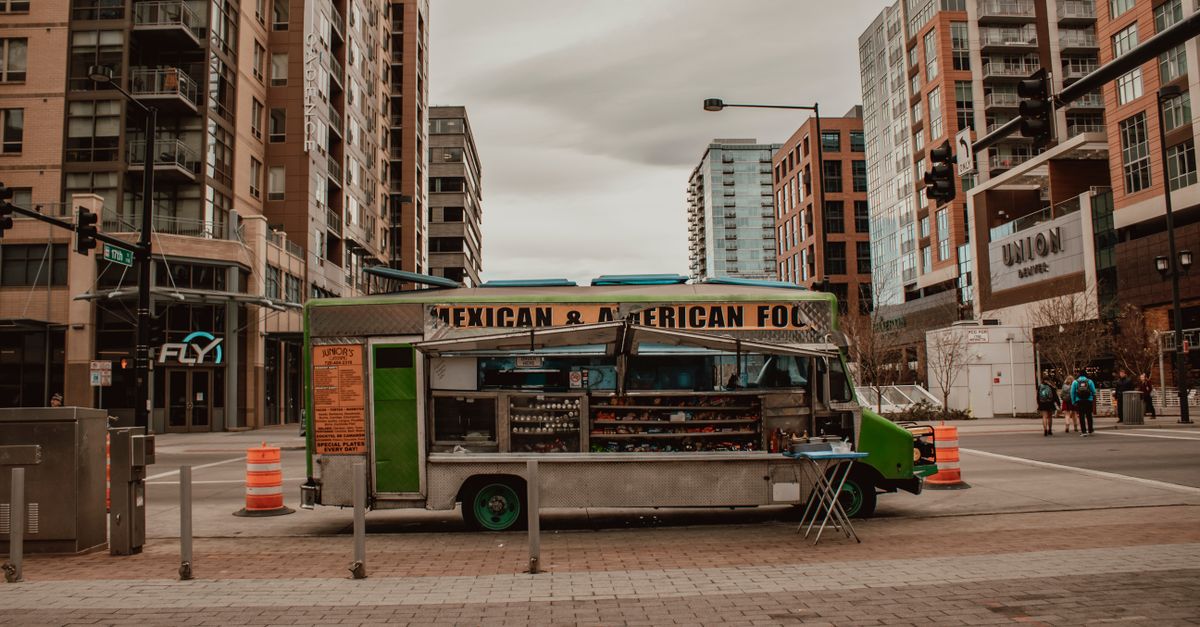
- Food truck or fast-casual lunch: around $12–20.
- Mid-range dinner: around $30–60 per person before tax and tip.
- A beer in a bar: around $7–10, more in big cities.
- Supermarket picnics and breakfasts save a lot if your room has a fridge or kitchen.
On top of the price on the menu come sales tax and a tip of around 18–20% at sit-down restaurants, so the final bill can end up a quarter or more above what the menu says.
Transport costs
- City subway or bus ride: around $2–3.
- Ride-app trips across town: often $15–40, more at peak times or to airports.
- Domestic flights: very variable, sometimes under $100 one way on competitive routes when booked early, but bag fees add up.
- Car rental: roughly $50–100 a day before insurance, fuel, tolls and parking.
- National parks charge an entrance fee, usually per vehicle, and an annual pass can be good value if you visit several.
Attractions and extras
Theme park tickets, Broadway shows and skyscraper observation decks are often the priciest single items, so decide early which ones matter most to you. Balance them with the many free experiences: the Smithsonian museums in D.C., city parks, beaches, waterfront walks and tip-based walking tours. Travel insurance with medical cover is another cost worth building in, because healthcare in the US is expensive.
Money-saving tips
- Travel in spring or fall rather than in summer or during holiday weeks.
- Stay just outside pricey downtowns, close to a train or subway line.
- Look for lunch specials and happy hours, which are often better value than dinner.
- Buy a city attraction pass only if you'll actually visit enough of the included sights.
- Carry a refillable water bottle; restaurants serve tap water free of charge.
- When a card terminal or ATM offers to charge you in your home currency, decline and pay in dollars.
Stay connected in the United States
Comparing hotel rates, booking timed tickets and checking ride-app fares before you confirm all need a reliable connection, and home-carrier roaming can add up over a long trip, so check your current tariff. A HelloSIM eSIM is prepaid and data-only, delivered by email straight away; install it before your flight, and if you run low you can top up the same eSIM without reinstalling.
Get your United States eSIM in 30 seconds
Instant delivery, 4G/5G speeds, no roaming bills.