
There's no single best time to visit the United States, because the country stretches from Arctic Alaska to tropical Hawaii and the Florida Keys. The right season depends on where you're going and what you want to do, so here is how the year breaks down.
Spring (March to May)
Spring is one of the most pleasant times for cities and desert parks. Washington, D.C.'s cherry blossoms usually peak in late March or early April, New York and Chicago warm up through May, and Southwestern parks such as Zion, Arches and the Grand Canyon's South Rim have comfortable hiking temperatures before the summer heat. Yosemite's waterfalls are at their most powerful with the late-spring snowmelt.
- Crowds and prices: moderate, with spikes around Easter and college spring break in March, when Florida beach towns get busy.
- Weather watch: the central states and the South see severe thunderstorms and tornado risk in spring, so keep an eye on local forecasts.
Get your United States eSIM in 30 seconds
Instant delivery, 4G/5G speeds, no roaming bills.
Summer (June to August)
Summer is peak season for national parks, road trips, Alaska and the mountains, and school holidays mean families travel in large numbers. Yellowstone, Glacier and the high mountain roads are generally open, and coastal New England and the Pacific Northwest are at their best. The trade-offs are humid heat in the South, extreme temperatures in desert spots like Death Valley and Phoenix, and the highest rates for flights, rental cars and park lodging. Independence Day on July 4 brings fireworks, parades and busy roads nationwide.
Fall (September to November)
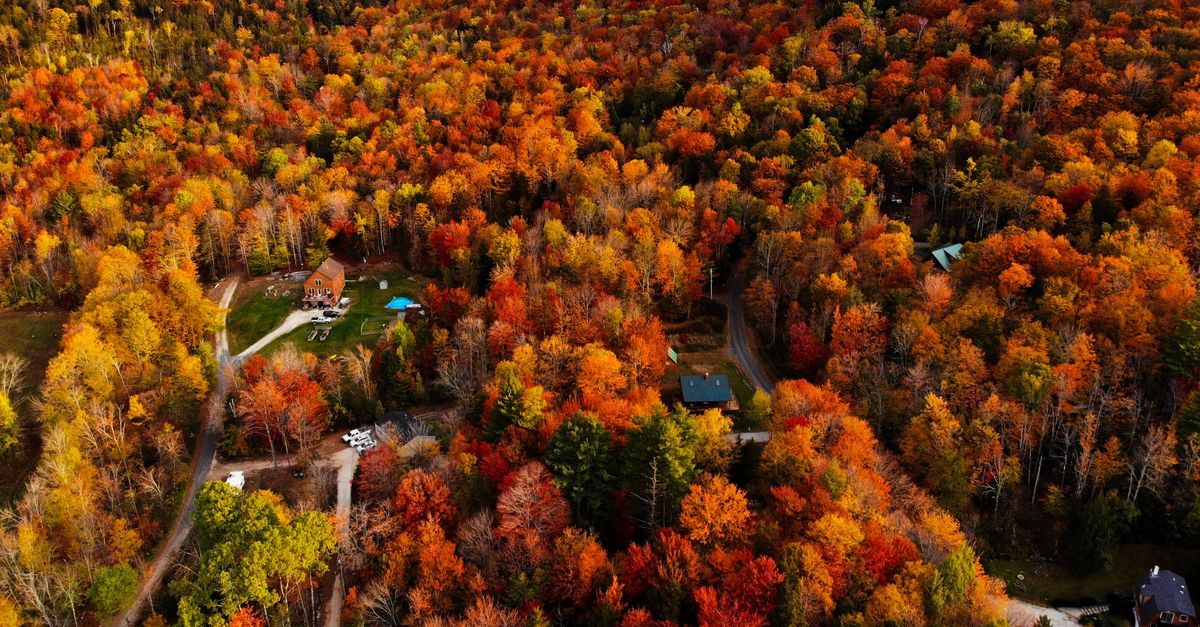
Many travelers consider early fall the sweet spot. Summer crowds thin out after Labor Day in early September, the weather stays warm across much of the country, and prices often ease. New England's foliage usually peaks between late September and late October, starting in the north and the mountains, and the color moves south through the Appalachians later in the season. Halloween at the end of October is a big street celebration in many cities.
- Thanksgiving: the fourth Thursday of November kicks off one of the busiest travel weekends of the year, so book early or avoid flying those days.
- Hurricane season: the Atlantic season officially runs from June to November and is usually most active from mid-August to mid-October, affecting Florida, the Gulf Coast and the Southeast. Most trips aren't affected, but flexible bookings and travel insurance are wise.
Winter (December to February)
Winter splits the country in two. The northern states and mountains turn snowy, which is ideal for skiing in Colorado, Utah and Vermont, while Florida, Southern California, Arizona and Hawaii offer warm escapes. New York at Christmas is festive but busy and expensive; mid-January to February is quieter in most cities, outside the ski resorts. Some national park roads and facilities close for the season, especially in Yellowstone and on high mountain passes.
Major holidays and events
- New Year's Eve: the Times Square ball drop in New York.
- Mardi Gras: New Orleans' carnival season peaks in February or early March, depending on the date of Easter.
- South by Southwest: music, film and tech take over Austin each March.
- Memorial Day and Labor Day: long weekends in late May and early September that mark the unofficial start and end of summer, with busy roads and beaches.
- Fourth of July: fireworks everywhere, with big shows in New York, Washington, D.C. and Boston.
- Thanksgiving and Christmas: parades, lights and ice rinks in northern cities, but crowded airports and high hotel rates.
Matching the season to your trip
- City breaks: April to June and September to October.
- Western national parks: May, June and September for fewer crowds; July and August if you want every road open.
- Florida and beach escapes: November to April for drier, milder weather.
- Skiing: December to March.
- Fall colors: late September to October in New England.
Stay connected in the United States
US weather can change fast, from summer thunderstorms to winter road closures, so having data for forecasts, park alerts and flight updates is useful in every season. A HelloSIM eSIM is data-only and prepaid. Its validity only starts when it first connects in the United States, so you can buy and install it well before your dates.
Get your United States eSIM in 30 seconds
Instant delivery, 4G/5G speeds, no roaming bills.