
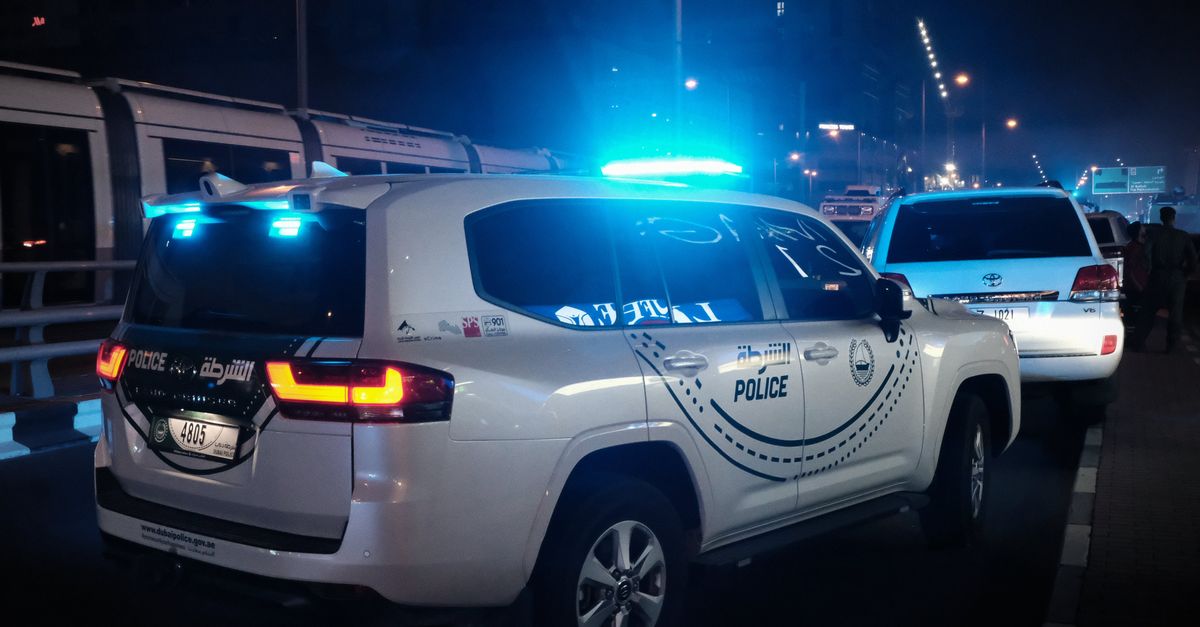
The UAE has a reputation for low crime, and most visitors feel comfortable walking around at night, using public transport and travelling solo. The real risks are more practical: extreme heat, fast roads, strong currents, online scams and unfamiliar local norms. Here's how to handle them calmly.
General safety and local norms
- Petty crime is uncommon, but keep an eye on phones and wallets in crowded souks, at fireworks and on busy metro platforms.
- Keep a copy of your passport and travel insurance details on your phone and in cloud storage.
- Behaviour that seems harmless at home, such as swearing, rude gestures, drunkenness or public affection, can land you in serious trouble here, including when it's posted online.
- If you take prescription medicine, check your government's travel advice and official UAE guidance before you pack it, and keep it in its original packaging with a copy of the prescription.
Get your United Arab Emirates eSIM in 30 seconds
Instant delivery, 4G/5G speeds, no roaming bills.
Heat and health
The heat is the biggest everyday risk, particularly from May to September.
- Drink water regularly, wear a hat and high-factor sunscreen, and keep strenuous activity to early mornings and evenings.
- Headache, dizziness and nausea can be signs of heat exhaustion; get into air conditioning, rest and drink water, and seek help if you don't improve.
- Healthcare is of a high standard but can be expensive for visitors, so make sure your travel insurance covers medical treatment.
Desert, beach and mountain safety
- Book desert trips with licensed operators, wear seatbelts in dune vehicles and tell the driver if you're pregnant, have back problems or suffer from motion sickness.
- Swim at beaches with lifeguards and follow the flag warnings. Currents can be strong, especially on open public beaches.
- In the Hatta and Ras Al Khaimah mountains, start hikes early, carry more water than you think you need and tell someone your route. Wadis can flood quickly after rare heavy rain.
- Sandstorms can cut visibility suddenly on desert roads; slow down and leave plenty of space.
Road safety
- Traffic moves fast and lane changes can be abrupt. If you drive, keep your distance and stay alert.
- On foot, use marked crossings and footbridges rather than dashing across multi-lane roads.
- Use official taxis or ride apps, and wear a seatbelt in every seat.
Scams to watch for
- Text messages or emails claiming you owe a traffic fine, a parcel fee or a bank verification. Official bodies won't ask for card details by message.
- Holiday rentals or attraction tickets that seem too good to be true, sold through social media. Book through official websites or well-known platforms.
- Unlicensed drivers offering rides at the airport or outside malls.
- Pushy touts in souks steering you towards inflated prices. Buy from established shops that issue a proper receipt, especially for gold.
- Card skimming is rare, but cover the keypad and prefer ATMs inside banks and malls.
Women travellers and emergency numbers
Solo women generally travel comfortably in the UAE. Dressing modestly in public areas helps you blend in, women-only metro carriages and women-driven taxis are there if you want them, and harassment is taken seriously, so report it to staff or police.
Emergency numbers to save in your phone:
- 999: police
- 998: ambulance
- 997: fire service
Stay connected in the United Arab Emirates
When something goes wrong, a working data connection lets you share your live location with friends, check a map on a desert road, find the nearest hospital or contact your insurer. A HelloSIM eSIM keeps you online throughout your trip. It's data-only, so keep your usual SIM switched on for phone calls. Install it at home before you travel and it connects once you arrive.
Get your United Arab Emirates eSIM in 30 seconds
Instant delivery, 4G/5G speeds, no roaming bills.