
Turkey packs several climates into one country, so the best month depends on whether you want sightseeing, beaches or snow. In short: spring and autumn suit most first trips, summer belongs to the coast, and winter is quiet but rewarding.
Spring (March to May)
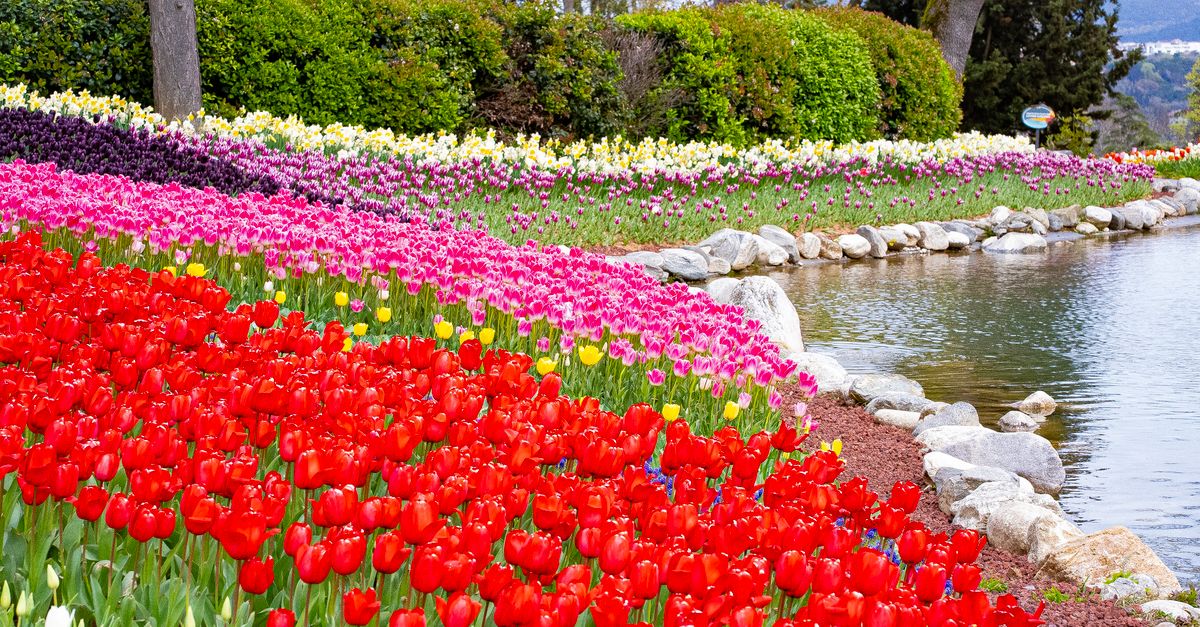
Spring is many travellers' favourite season. Istanbul warms up through April and May, parks burst with tulips and Cappadocia's valleys turn green. Ephesus and Pamukkale are pleasant to explore before the heat arrives. March can still be cool and wet, and the sea is chilly for swimming until late May. Crowds build towards the end of the season, but hotels outside the resorts usually charge less than in high summer.
Get your Turkey eSIM in 30 seconds
Instant delivery, 4G/5G speeds, no roaming bills.
Summer (June to August)
This is peak beach season on the Aegean and Mediterranean, with long, hot, dry days and warm sea. Inland, Cappadocia is hot by day but cools down at night, while Istanbul can feel humid. July and August bring the biggest crowds and the highest prices on the coast, as international visitors and Turkish families head to the resorts at the same time. For a cooler escape, the green Black Sea region and the high summer pastures (yayla) of the north-east are at their best.
Autumn (September to November)
September and October are arguably the sweet spot: the sea stays warm, the light softens and crowds thin out once school holidays end. It is excellent hiking weather for the Lycian Way and Cappadocia's valleys. By November, rain becomes more frequent in Istanbul and the north, though the south coast often stays mild and sunny.
Winter (December to February)
Winter is low season almost everywhere. Istanbul is cold, often grey and occasionally snowy, but museums are quieter and the city feels more local. Cappadocia under snow is beautiful, and balloons still fly whenever conditions allow. The east gets very cold, and ski resorts such as Uludağ near Bursa and Palandöken near Erzurum open for the season. The Mediterranean coast stays mild, though many resort hotels close until spring.
Holidays and festivals to know
- Ramadan (Ramazan): the dates move about 11 days earlier each year. Daily life continues normally in cities and resorts, and evenings come alive after sunset.
- Ramazan Bayramı and Kurban Bayramı: the two big religious holidays, when much of the country travels. Buses, flights and coastal hotels fill up fast, so book early if your trip overlaps.
- Republic Day (29 October): marked with flags, parades and evening celebrations.
- Istanbul Tulip Festival (April): huge tulip displays in parks such as Emirgan.
- Şeb-i Arus (December): commemorations of the poet Rumi in Konya, with whirling dervish ceremonies.
Weather by region at a glance
- Istanbul and the Marmara region: four distinct seasons, warm summers, cool and wet winters.
- Aegean and Mediterranean coasts: long, hot summers and mild winters; the sea is usually warm enough for swimming from roughly late May to October.
- Central Anatolia (Cappadocia, Ankara): dry heat in summer and cold, snowy winters.
- Black Sea coast: green and rainy year-round, with milder summers.
- The east: short summers and long, harsh winters.
Stay connected in Turkey
Weather can rearrange a Turkish itinerary at short notice: a windy dawn grounds the Cappadocia balloons, a winter storm delays ferries and holiday weekends sell out bus seats. With mobile data you can check forecasts, rebook and get alerts wherever you are. A HelloSIM eSIM is data-only, installs at home before the trip and connects once you arrive, and its validity only starts when it first connects there, so buying ahead of an off-season trip is no problem.
Get your Turkey eSIM in 30 seconds
Instant delivery, 4G/5G speeds, no roaming bills.