
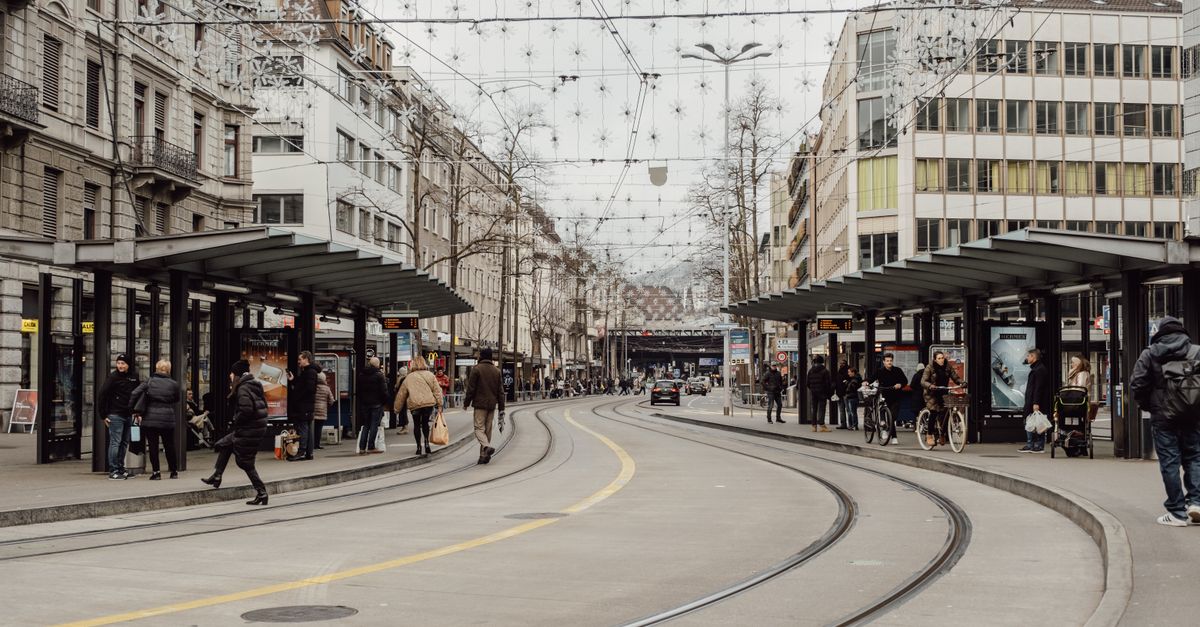
Switzerland is a very safe country to travel in, with low levels of violent crime and well-run public services. The risks visitors actually face are more ordinary: busy stations where bags go missing, card terminals that quietly cost you more, and mountain weather that turns faster than expected.
How safe is Switzerland?
Walking around cities at night is generally fine, public transport feels safe throughout its operating hours, and solo travel is usually straightforward. Normal big-city awareness is enough. The more serious dangers are outdoors, in the mountains and on the water, which is where most of this guide focuses.
Get your Switzerland eSIM in 30 seconds
Instant delivery, 4G/5G speeds, no roaming bills.
Pickpockets and where to take care
Petty theft is the most common problem. Stay alert in:
- Big railway stations such as Zurich HB, Geneva Cornavin and Basel SBB, especially while buying tickets or boarding with luggage
- Crowded trams and trains, and luggage racks near carriage doors
- Christmas markets, festivals and Fasnacht crowds
- The streets around Geneva's main station and the Pâquis district late at night, which are lively but where it pays to keep an eye on your belongings
Keep your phone out of back pockets and don't leave bags unattended on café terraces.
Scams and money traps
Outright scams are rare, but a few things can cost you:
- Currency conversion: when a card terminal or ATM offers to charge you in your home currency, choose Swiss francs to avoid a poor rate.
- Paying in euros: some places accept them, but change comes back in francs at an unfavourable rate.
- Petitions and helpers: politely decline clipboard petitions and strangers offering help at ticket machines.
- Fare evasion: buy your ticket before you board, because inspectors issue on-the-spot surcharges and "I didn't know" rarely works.
Mountain, lake and river safety
- Check the MeteoSwiss forecast before every hike; afternoon thunderstorms are common in summer.
- Follow trail markings: yellow for hiking trails, white-red-white for mountain trails and white-blue-white for demanding alpine routes.
- Wear proper boots, carry water and a warm layer, and protect yourself from strong sun at altitude.
- Never walk onto a glacier without a guide, and don't ski off-piste without checking the avalanche bulletin and carrying the right equipment.
- Give cows, especially mothers with calves, a wide berth on alpine pastures.
- Swimming in the Aare or the Rhine is a local summer ritual, but currents are strong; only swim where locals do and only if you are confident in the water.
- Below dams, river levels can rise suddenly, so obey warning signs.
Health basics
Tap water is safe to drink. Pharmacies are the first stop for minor ailments, and healthcare is excellent but very expensive, so make sure your travel insurance covers mountain rescue and helicopter transport. Some visitors feel short of breath at high stations such as the Jungfraujoch, so take it slowly up there. In warm months, check yourself for ticks after walks through long grass and woodland.
Emergency numbers
Save these before you go:
- 112: general European emergency number
- 117: police
- 118: fire service
- 144: ambulance
- 1414: Rega air rescue
Stay connected in Switzerland
Mobile data lets you check weather warnings, share your live location with someone before a hike and find the nearest pharmacy. A HelloSIM eSIM is data-only, so keep your regular SIM switched on for voice calls, including emergency numbers; set it up over Wi-Fi before departure and it comes online as soon as you land in Switzerland. Download offline maps as well, in case the signal drops in a deep valley.
Get your Switzerland eSIM in 30 seconds
Instant delivery, 4G/5G speeds, no roaming bills.