
There is no bad time to visit Switzerland, but each season is a different trip. Summer opens the high trails, winter belongs to skiers and Christmas markets, and the months in between trade a few closures for calm and lower prices.
The short answer
- June to September: best for hiking, lakes and scenic trains, with July and August the busiest.
- December to March: ski season and snowy villages, with peaks at Christmas, New Year and in February.
- April, May, October and November: fewer visitors and lower prices, but some mountain lifts and passes are closed.
Get your Switzerland eSIM in 30 seconds
Instant delivery, 4G/5G speeds, no roaming bills.
Summer: June to August
Lowland days are usually warm, often in the 20s °C and sometimes hotter, which makes lake swimming a big part of Swiss summer life. Higher trails open as the snow melts, typically from late June. Mountain weather changes fast and afternoon thunderstorms are common, so start hikes early. July and August bring the biggest crowds and the highest hotel rates.
Summer events worth knowing about:
- Swiss National Day on 1 August, with bonfires, fireworks and village celebrations
- Montreux Jazz Festival in July on the shores of Lake Geneva
- Locarno Film Festival in August, with open-air screenings in the Piazza Grande
- Street Parade in Zurich, a huge techno parade along the lake in August
Autumn: September to November
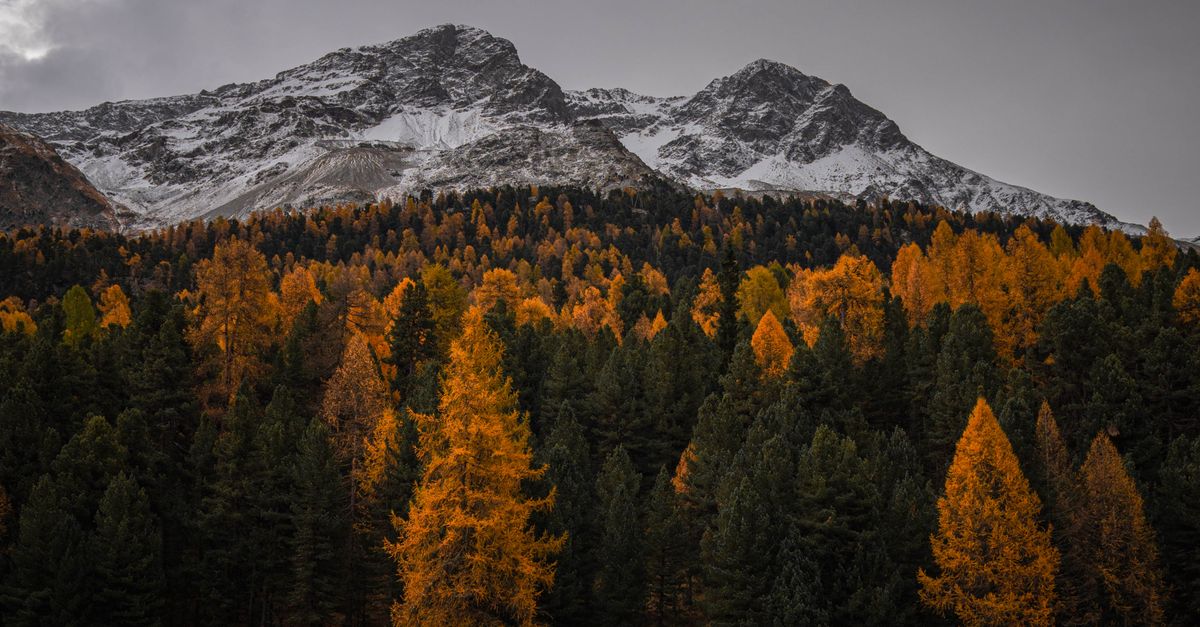
September is a favourite with hikers: settled weather, thinner crowds and trails still open. From mid-September into early October, cows are brought down from alpine pastures in decorated processions, and wine villages celebrate the harvest. By mid-October, the larch forests of Valais and the Engadin turn gold. November is the quietest month, often grey in the lowlands, and many cable cars close for maintenance.
Winter: December to March
The ski season usually runs from December to around Easter, with high-altitude resorts such as Zermatt and Saas-Fee often staying open longer. Lowland cities can sit under a blanket of fog for days while the mountains bask in sunshine above it. Christmas markets fill old towns from late November through December.
Winter traditions include:
- L'Escalade in Geneva in December, celebrated with costumes, a historic procession and chocolate cauldrons
- Fasnacht carnival in late winter: Lucerne's begins on the Thursday before Ash Wednesday, while Basel's starts at 4 am on the Monday after Ash Wednesday with the lantern-lit Morgestraich
Spring: April and May
Spring arrives early in Ticino and around the big lakes, where blossom and café terraces appear while the peaks are still white. Lower hiking trails open, but high routes stay snowbound and some mountain railways pause between seasons. Zurich marks spring in April with Sechseläuten, when a snowman figure called the Böögg is burned on a bonfire. Easter weekends can be busy, but otherwise spring is good value.
Crowds, prices and planning
- Book hotels, scenic train seats and mountain huts early for July, August, Christmas and February.
- For value, aim for June or September in summer, or January once the holiday crowds have gone.
- If you travel in April, May or November, check that the cable cars and mountain passes you need are running.
- Whatever the month, pack layers: it can feel like summer in Lugano and winter on the Jungfraujoch on the same day.
Stay connected in Switzerland
In the Alps, a forecast or webcam check on the morning of an excursion decides whether you go up or wait a day, and lift timetables change with the seasons. Your HelloSIM eSIM is data-only and installs before you travel; its validity starts only when it first connects in Switzerland, so buying ahead does not eat into your days.
Get your Switzerland eSIM in 30 seconds
Instant delivery, 4G/5G speeds, no roaming bills.