
There is no bad time to visit Spain, but there are bad times to visit particular parts of it. The country spans snowy mountains, scorching inland plains, a green Atlantic north and subtropical islands, so the right season depends on where you are going and what you want to do.
Spring (March to May): the sweet spot
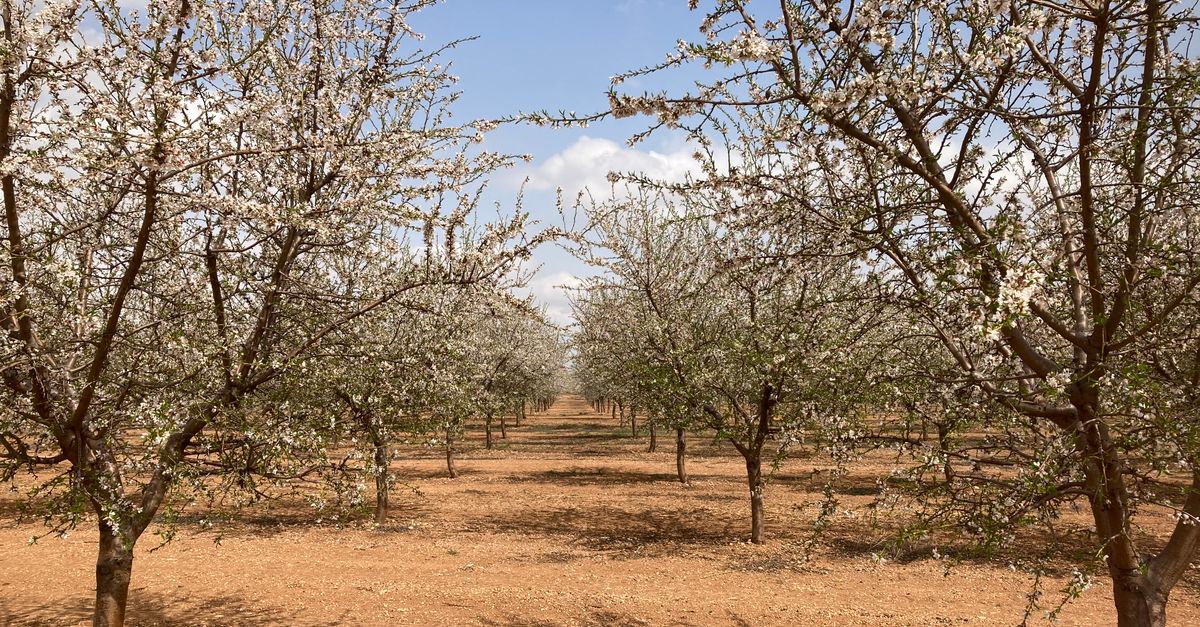
Spring is the best all-round season for most of Spain. Andalusia is in bloom and comfortably warm, cities are pleasant for walking, and the countryside is at its greenest. Expect showers in March and April, especially in the north.
- Las Fallas in Valencia, in mid-March, fills the streets with giant satirical sculptures that are burned on the final night.
- Semana Santa (Holy Week, in March or April) brings solemn processions across the country, with Seville and Málaga among the most famous.
- The Feria de Abril in Seville, usually a couple of weeks after Easter, is a week of flamenco dresses, horses and late-night dancing.
Prices and crowds rise sharply around Easter, so book early for those dates.
Get your Spain eSIM in 30 seconds
Instant delivery, 4G/5G speeds, no roaming bills.
Summer (June to August): heat, beaches and fiestas
- Inland cities such as Seville, Córdoba and Madrid get very hot, and afternoon temperatures in Andalusia can top 40°C. Sightsee early, rest through the afternoon and head out at night like the locals.
- The coasts and islands are at their busiest, and accommodation prices peak in July and August.
- August is Spain's own holiday month. Some family-run restaurants and shops in the cities close for a few weeks, while beach towns overflow.
- The green north, from Galicia through Asturias and Cantabria to the Basque Country, is the coolest escape.
Big events include San Fermín in Pamplona (6 to 14 July), the Tomatina tomato fight in Buñol on the last Wednesday of August, and countless village fiestas with fireworks and street parties.
Autumn (September to November): warm seas, fewer crowds
September still feels like summer on the Mediterranean, but beaches quieten once schools return. October is excellent for city breaks and hiking, and the sea in the south often stays warm enough for a swim. It is also harvest time in wine regions such as La Rioja and Ribera del Duero. By November, rain returns to the north and some beach resorts wind down, but room rates fall with them.
Winter (December to February): mild south, snowy mountains
- The Canary Islands stay warm year-round and are Spain's favourite winter-sun escape.
- Málaga and the Costa del Sol enjoy mild, often sunny days.
- Madrid is cold but frequently bright, and museums are blissfully quiet.
- Skiers head to the Sierra Nevada near Granada and to the Pyrenees.
December brings Christmas lights and markets, and the Three Kings parades on the evening of 5 January are the highlight of the season for children, who open their presents on the 6th.
Crowds, prices and holidays
- Peak season: July, August, Easter week and the Christmas holidays.
- Shoulder seasons: April to June and September to October offer the best balance of weather and value.
- Low season: November to February, outside the holidays, usually brings the lowest room rates on the mainland. The Canaries are the exception, as winter is their busiest time.
- Public holidays: national days such as 12 October and 6 December can create long weekends when Spaniards travel too, and every region and city adds its own holidays, so check local calendars.
Stay connected in Spain
Weather and festival plans in Spain can change quickly: a heat warning, a procession postponed because of rain, a fiesta schedule announced only on social media. With a HelloSIM eSIM you can follow it all on the move. It is a data-only plan installed before your trip, its validity starts when it first connects in Spain, and your home number stays on your phone for calls and texts.
Get your Spain eSIM in 30 seconds
Instant delivery, 4G/5G speeds, no roaming bills.