
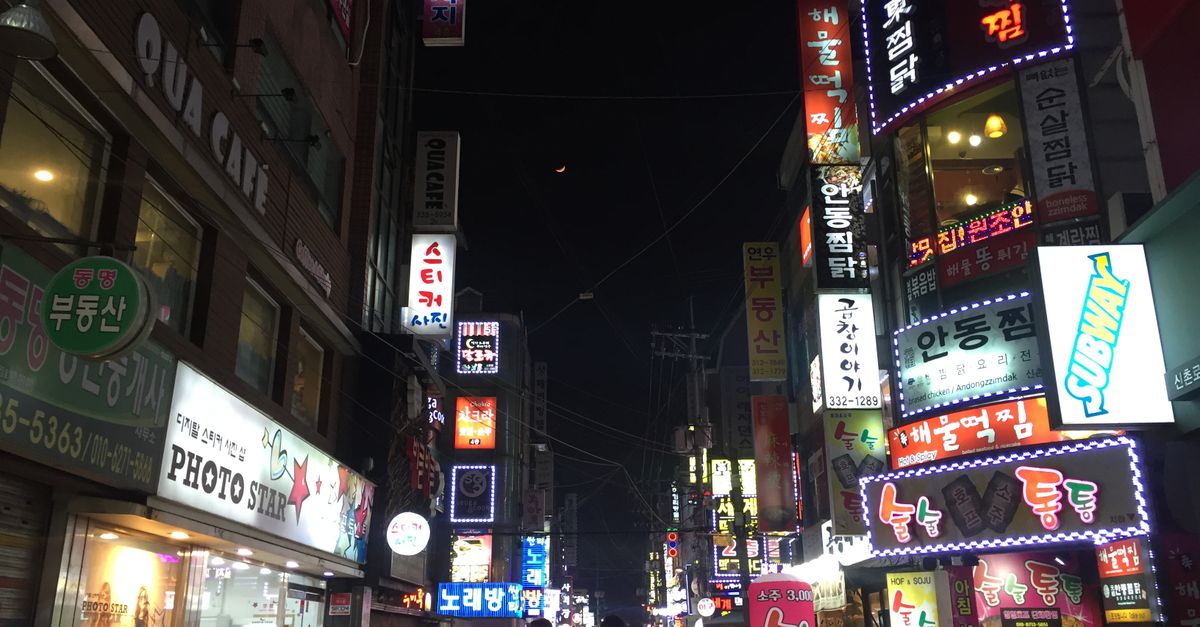
South Korea has a strong reputation for safety, and most visitors never run into trouble. Streets stay busy late into the night, public transport is well lit and staffed, and violent crime against tourists is rare. A few sensible habits still go a long way.
General safety
- Walking around cities at night is generally fine, but use the same judgement you would at home.
- Petty theft is uncommon, though bags and phones can still go missing in crowded markets and nightlife areas.
- Take care crossing roads: vehicles may turn right on a red light, and delivery motorbikes sometimes ride on pavements.
- At jjimjilbangs and gyms, use the lockers provided for valuables.
Get your South Korea eSIM in 30 seconds
Instant delivery, 4G/5G speeds, no roaming bills.
Scams and tourist traps
- Unlicensed taxis: at airports and nightlife areas, skip drivers who approach you. Use official ranks or a ride app, and make sure the meter is running.
- Nightlife bills: in bars where touts pull you in from the street, ask for prices before ordering.
- Friendly "culture" chats: pairs of strangers sometimes stop visitors in central Seoul to talk about Korean traditions or invite them to a ceremony. These encounters are usually recruitment pitches, and a polite "no thanks" while walking on is enough.
- Counterfeit goods: fake designer items are sold in some markets, so buy from reputable shops if authenticity matters.
Crowds and nightlife
Hongdae, Itaewon and Gangnam get extremely crowded on weekends and around events such as Halloween and New Year's Eve. Avoid narrow, packed alleys at peak times, follow police directions and agree a meeting point with friends in case you get separated. As anywhere, keep an eye on your drink and plan how you'll get home before the night starts.
Health basics
- Pharmacies, marked with the character 약, are easy to find for minor ailments, and large hospitals in the big cities have international clinics with English-speaking staff.
- Healthcare is high quality, but bills for visitors can add up, so travel insurance is worth having.
- In spring especially, check air-quality apps for fine dust; many locals wear masks on hazy days.
- Summer heat and humidity can be draining, so carry water and take breaks in the shade. In winter, dress in layers and watch for icy pavements.
Weather and the outdoors
- Typhoons can arrive between late summer and early autumn. Follow local warnings and expect ferry and flight disruption.
- Monsoon downpours in late June and July can cause flash flooding; stay away from streams and low-lying underpasses during heavy rain.
- Hiking is a national pastime and trails are well marked, but mountains such as Seoraksan and Hallasan deserve respect. Start early, carry water and layers, and note trail cut-off times.
- Headlines about North Korea rarely affect daily life for visitors, but check your government's travel advice before you go and follow your guide's instructions closely on DMZ tours.
Emergency numbers
- 112: police
- 119: fire and ambulance
- 1330: the Korea Travel Hotline, for tourist information and interpretation in English and other languages
Save your accommodation's address in Korean on your phone, so you can show it to a taxi driver or emergency services.
Stay connected in South Korea
In an emergency, live data lets you find the nearest hospital, show a Korean address, translate what you need to say and share your location with friends or family. A HelloSIM eSIM gives you that from the moment you land: it's data-only, you install it before departure and it connects on arrival, while your own number stays in your phone for calls and texts.
Get your South Korea eSIM in 30 seconds
Instant delivery, 4G/5G speeds, no roaming bills.