
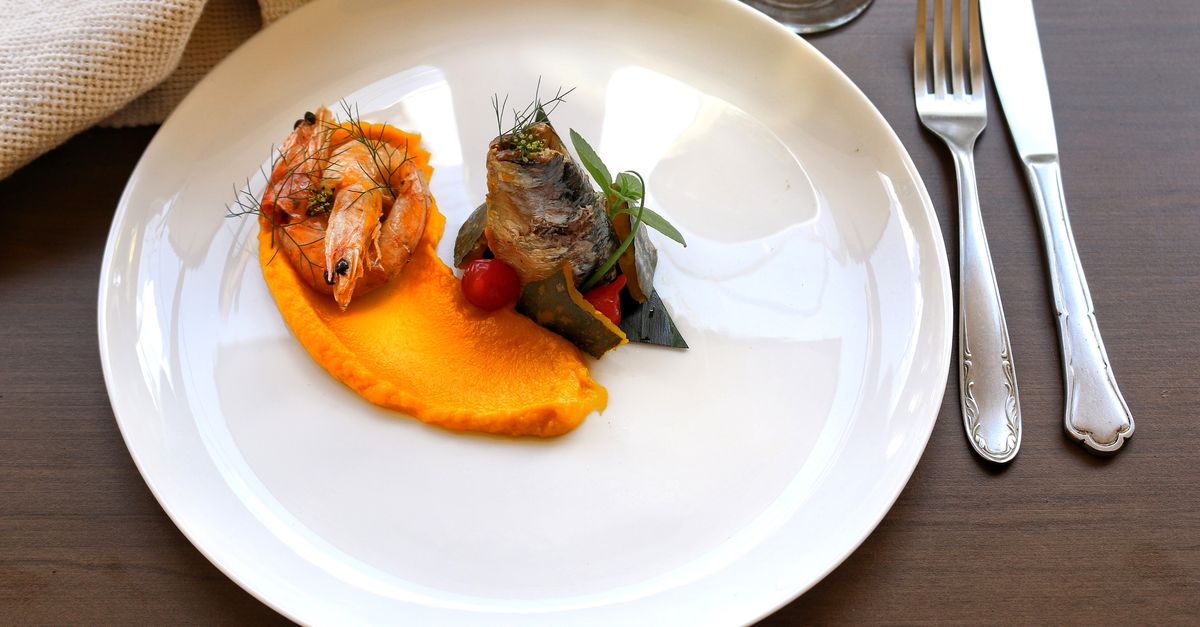
Portuguese cooking is generous and unfussy, built around the Atlantic, pork, good bread, olive oil and excellent-value wine. Here is what to order, where locals actually eat and the small table customs that catch visitors out.
Signature dishes to try
- Bacalhau: dried salt cod, the national obsession, with a different recipe for every day of the year, as the saying goes. Start with bacalhau à Brás (shredded cod with egg, onion and thin fried potatoes) or creamy bacalhau com natas.
- Sardinhas assadas: grilled sardines, at their best in early summer and served on a slice of bread that soaks up the juices.
- Polvo à lagareiro: tender roasted octopus with garlic, plenty of olive oil and small crushed potatoes.
- Arroz de marisco: a soupy, tomato-rich seafood rice meant for sharing.
- Cataplana: an Algarve seafood or pork stew named after the hinged copper pan it's cooked in.
- Carne de porco à alentejana: pork with clams, a surprising combination that works beautifully.
- Caldo verde: a comforting soup of potato and finely shredded greens, usually with a slice of chouriço.
- Francesinha: Porto's heavyweight sandwich, layered with meats, covered in melted cheese and soaked in a beer-and-tomato sauce.
Street food and snacks
The undisputed star is the pastel de nata, a crisp custard tart best eaten warm with a dusting of cinnamon. A bifana (garlicky marinated pork in a soft roll) or its beef cousin the prego makes a quick lunch, and pastéis de bacalhau (salt cod fritters) turn up in every café display. In autumn and winter, street carts sell roasted chestnuts in paper cones, while summer beach vendors walk the sand selling bolas de Berlim, sugary doughnuts filled with egg custard.
What to drink
- Port: fortified wine from the Douro, aged in the lodges of Vila Nova de Gaia. Try a tawny, or white port with tonic as a summer aperitif.
- Vinho verde: a young, light and often slightly sparkling wine from the green north.
- Reds from the Douro and Alentejo: full-bodied and very good value in restaurants.
- Ginjinha: a sour cherry liqueur served in tiny bars around Lisbon's Rossio; in Óbidos it comes in an edible chocolate cup.
- Madeira wine and poncha: the island's fortified wine and its punchy rum-honey-lemon drink.
- Coffee: ask for a bica in Lisbon or a cimbalino in Porto for an espresso, or a galão for milky coffee served in a glass.
- Beer: a small draught is an imperial in Lisbon and a fino in Porto.
Where and how to eat
For everyday food, look for a tasca: a small, often family-run place with paper tablecloths and a short handwritten menu. At lunch, many offer a prato do dia (dish of the day), the way Portuguese workers eat well without spending much. Seafood restaurants called marisqueiras price shellfish by weight, so ask before you order. Municipal markets, such as Porto's restored Bolhão, are good for cheese, cured meats and fruit.
Lunch usually runs from around 12:30 to 15:00 and dinner starts from about 19:30. In smaller towns, kitchens may close in the afternoon, so don't count on a late lunch.
The couvert, tipping and table manners
Bread, olives, butter, cheese or pâté often arrive at the table before you order. This is the couvert, and it's not free: you are charged for what you eat. If you don't want it, simply say "não, obrigado" (or "obrigada" if you're a woman) and it will be taken away.
Tipping is appreciated rather than expected. Rounding up in a café or leaving a little extra for good table service is plenty. The bill won't come until you ask for it, so catch the waiter's eye and say "a conta, por favor".
Dietary notes
Traditional menus lean heavily on meat and fish, and even vegetable soups can be made with meat stock. Lisbon and Porto now have plenty of vegetarian and vegan places, but in rural areas it helps to say "sou vegetariano" (or "vegetariana") and ask "tem carne?" (does it contain meat?). With serious allergies, carry a card written in Portuguese. Those with a sweet tooth should know that many traditional desserts, the so-called convent sweets, are made with lots of egg yolks and sugar.
Stay connected in Portugal
Mobile data turns every meal into an easier decision: you can read recent reviews, translate a handwritten menu with your phone's camera, find a tasca near your viewpoint and book a port tasting in Gaia. HelloSIM eSIMs are data-only, so there's no local phone number, but WhatsApp keeps working on your usual number just as it does at home. Add the eSIM before the trip and it comes online when you reach Portugal.
Get your Portugal eSIM in 30 seconds
Instant delivery, 4G/5G speeds, no roaming bills.