
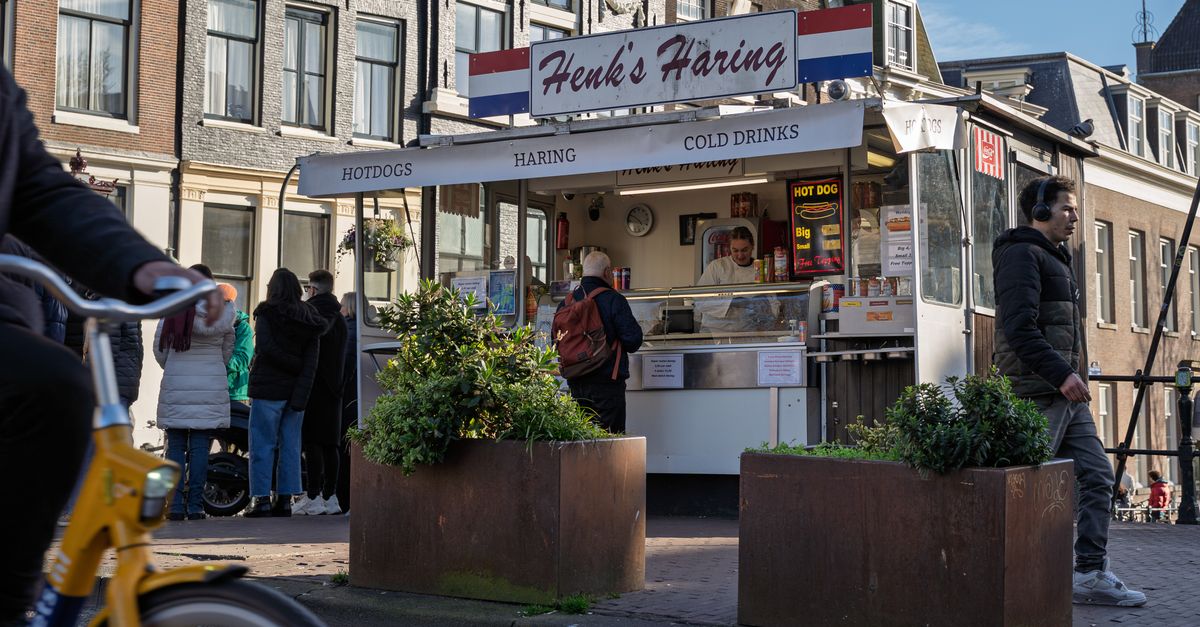
Dutch food has a reputation for being plain, but that undersells it badly. Between the snack culture, the cheese, the seafood and centuries of influence from Indonesia and Suriname, there is plenty to get excited about once you know what to order.
Signature Dutch dishes
Traditional Dutch cooking is hearty and built for cold, wet winters. Look out for these:
- Stamppot: potatoes mashed with kale, endive or sauerkraut, usually served with a smoked sausage (rookworst).
- Erwtensoep (snert): a pea soup so thick that a spoon should almost stand up in it.
- Hutspot: a mash of potato, carrot and onion, linked by tradition to the end of the Siege of Leiden in 1574.
- Poffertjes: tiny, fluffy pancakes dusted with icing sugar, often sold at markets and fairs.
- Pannenkoeken: large, thin pancakes with sweet or savoury toppings, a favourite family meal.
Get your Netherlands eSIM in 30 seconds
Instant delivery, 4G/5G speeds, no roaming bills.
Street food and snacks
Snacking is where Dutch food really shines.
- Haring: raw herring, served with chopped onion and pickles or in a soft roll (broodje haring). The new-season catch, Hollandse Nieuwe, arrives in early summer and is treated as a national event.
- Kibbeling: battered chunks of white fish with a garlic sauce, ideal if raw herring is a step too far.
- Bitterballen and kroketten: crunchy, deep-fried balls or rolls of meaty ragout, served with mustard. Give them a minute to cool; the inside is scalding.
- Patat or friet: thick fries in a paper cone with mayonnaise, or as "patatje oorlog" with mayonnaise, peanut sauce and raw onion.
- Stroopwafels: two thin waffles glued together with caramel syrup. Buy them warm from a market stall.
- Oliebollen: doughnut-like fritters sold from stalls in the weeks around New Year.
Look out, too, for snack bars with walls of small hatches where you pay and pull out a hot croquette, a very Dutch experience.
Cheese, bread and the Dutch lunch
Dutch cheese goes far beyond the mild young Gouda you may know from home. Ask for oude kaas (aged cheese), which is crumbly and full of flavour, or try Leidse kaas, spiced with cumin. The traditional cheese markets in Alkmaar and Gouda run on set days in the warmer months and are good fun to watch.
Lunch is usually light and quick: a sandwich (broodje) or bread with cheese. Don't be surprised to see adults eating hagelslag, chocolate sprinkles, on buttered bread.
Indonesian and Surinamese flavours
Some of the best meals you'll eat here come from the country's colonial history. An Indonesian rijsttafel, or "rice table", is a feast of many small dishes, such as satay, rendang and fiery sambals, served with rice. Surinamese takeaways serve roti with curried chicken and potatoes, plus sandwiches like broodje pom. Both are easy to find in the big cities and are usually filling and good value.
What to drink
- Beer: Dutch pilsner comes in small glasses with a generous head of foam, and craft and Belgian-style beers are everywhere.
- Jenever: the Dutch ancestor of gin, served neat in a tulip-shaped glass filled to the brim. Tradition says you take the first sip bending down, without lifting the glass.
- Coffee: order a koffie verkeerd, similar to a latte. It often arrives with a small biscuit.
- Water: tap water is excellent, but restaurants usually bring bottled water unless you ask for tap.
Where to eat, tipping and dietary notes
Locals eat dinner early, often around 6 or 7pm, and popular places fill up fast at weekends, so book ahead. A brown café (bruin café) or eetcafé is perfect for comfort food and a drink, while food halls such as Rotterdam's Markthal let you graze.
- Tipping: service is included, so a tip isn't expected. Rounding up or leaving a little extra for good service is appreciated.
- Paying: many places are card-only, and a few smaller ones prefer debit cards, so carry a backup.
- Dietary needs: vegetarian and vegan dishes are easy to find in cities, halal food is common in larger cities, and gluten-free products are clearly labelled in supermarkets. English is widely understood if you need to explain an allergy.
Stay connected in the Netherlands
Finding a well-reviewed eetcafé, booking a table for Saturday night or translating a Dutch menu all take mobile data. A HelloSIM eSIM gives you data without a local number: install it before you fly and it connects once you arrive, while your usual number keeps receiving calls and texts.
Get your Netherlands eSIM in 30 seconds
Instant delivery, 4G/5G speeds, no roaming bills.