
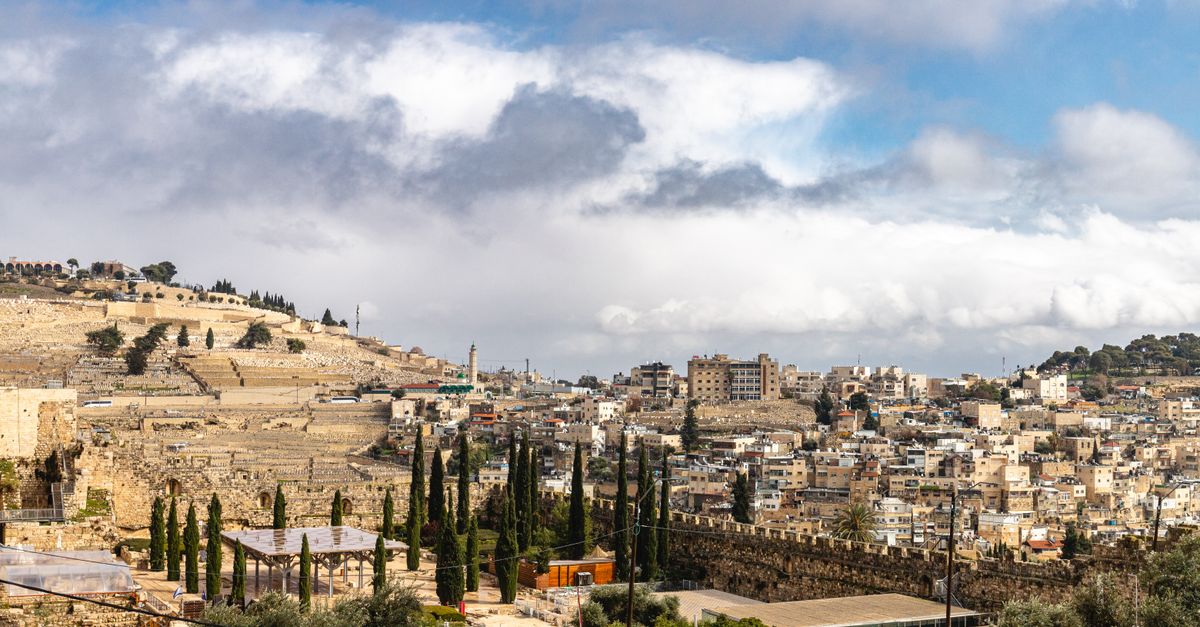
A land of many cultures
Israel is a small country with an outsized mix of traditions. Secular Tel Aviv beachgoers, religious Jerusalem families, Arab citizens, Druze villagers and recent immigrants all share the same streets. The unifying thread is informality: people speak frankly, dress casually and rarely stand on ceremony.
Greetings
- The universal greeting is Shalom (hello, peace). Toda means thank you and bevakasha means please or you're welcome.
- Arabic speakers use Salam or Marhaba. A little of each language is warmly received.
- Handshakes are common in business. Among religious Jews and Muslims, many people of the opposite sex will not shake hands or touch; wait and follow their lead rather than initiating.
- Israelis stand close and may touch your arm. Directness is normal, not rudeness.
Shabbat and religious life
- Shabbat runs from Friday sunset to Saturday nightfall. In Jerusalem and religious areas, shops, buses and many restaurants close, and public transport largely stops.
- Tel Aviv stays lively, but plan ahead: book Friday dinner and arrange transport (sheruts, taxis or a rental car).
- At the Western Wall (Kotel) dress modestly, cover shoulders and knees, and men should cover their heads (paper kippot are provided).
- Avoid driving through ultra-Orthodox neighborhoods like Mea Shearim on Shabbat.
Dos and don'ts
- Do dress modestly at holy sites: churches, mosques and synagogues. Remove shoes at mosques.
- Do carry your passport; security checks at malls and stations are routine and friendly.
- Don't discuss politics or the conflict unless invited; opinions run deep.
- Don't photograph religious people, soldiers or checkpoints without asking.
- Don't be alarmed by haggling in markets like Jerusalem's Mahane Yehuda or the Old City shuk; it's expected.
Food and hospitality
- Many kitchens are kosher: meat and dairy are not mixed, and pork and shellfish are rare. Don't ask for cheese on a meat dish at a kosher restaurant.
- Hospitality is generous. If invited home, bring a small gift like wine, sweets or flowers, and expect to be fed abundantly.
- Hummus, falafel, shakshuka and sabich are everyday staples; a sit-down hummus joint is a cultural ritual.
Tipping
- Restaurants: tip around 10 to 15 percent; check whether service is already added.
- Tip in shekels, in cash where possible, as servers may not receive card tips.
- Taxis: round up. Hotel porters: a few shekels per bag. Tour guides: roughly 50 shekels per person per day.
Stay connected in Israel
A HelloSIM eSIM keeps you online the moment you land, so you can use maps, translate Hebrew or Arabic signs, and confirm bookings without roaming fees.
Get your Israel eSIM in 30 seconds
Instant delivery, 4G/5G speeds, no roaming bills.
€1.49+