
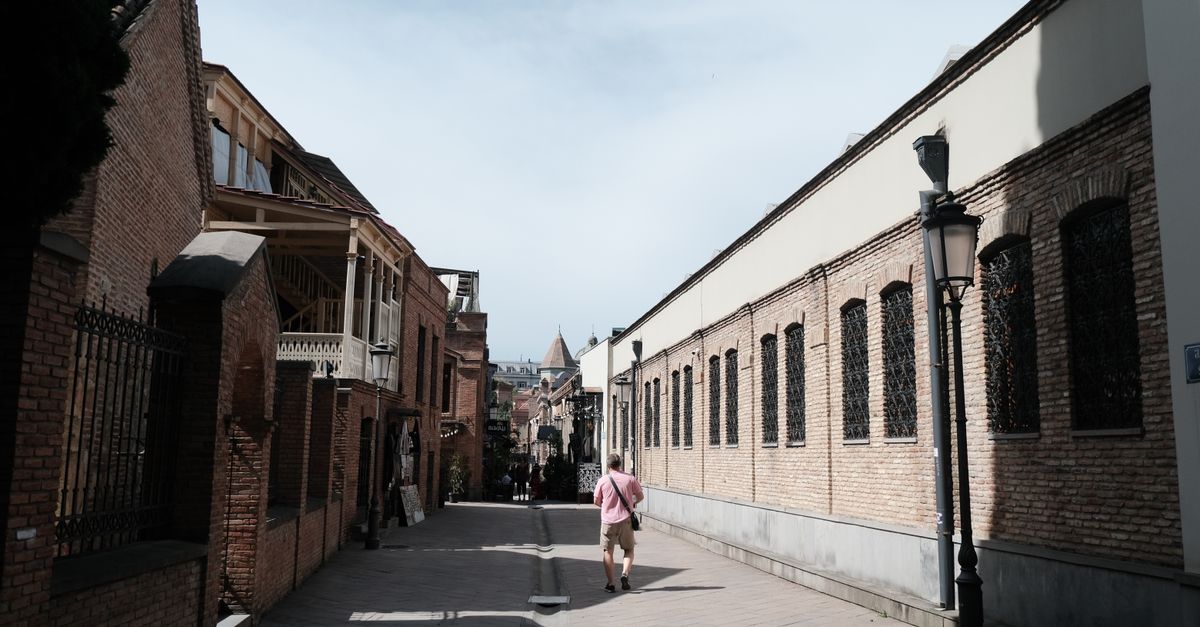
How safe is Georgia for travelers?
Georgia (the country, not the US state) is genuinely one of the safest places to travel in the wider region. Violent crime against tourists is rare, and you can walk around Tbilisi, Batumi or Kutaisi late at night without much worry. Locals are famously hospitable, and the tourist police are visible and English-friendly in city centers.
That said, common sense still applies. Pickpocketing happens in crowded spots like Tbilisi's Dezerter Bazaar, the Sololaki and Old Town tourist streets, and on busy marshrutka (minibus) routes.
Common scams to watch for
- Taxi overcharging. Street taxis rarely use meters. Use the Bolt app to see a fixed price before you ride, or agree on the fare first. A short city ride should cost around 5-10 GEL.
- Fake wine and chacha. Roadside or market sellers may pass off cheap spirit as homemade. Buy from reputable shops or visit a winery in Kakheti.
- Currency confusion. Always count change; prices are in lari (GEL). Exchange at banks or licensed booths, not random street offers.
- Bar lure scams. Be cautious of friendly strangers (sometimes attractive locals) inviting you to a specific bar, then leaving you with a huge bill.
Areas to be careful
Georgia has two breakaway regions, Abkhazia and South Ossetia (Tskhinvali region), which are outside government control. Do not attempt to enter them from Russia, and avoid the administrative boundary lines, where detentions have occurred. The rest of the country, including Svaneti and Kazbegi, is safe for tourism.
Mountain driving is the bigger real risk. The Georgian Military Highway to Kazbegi and roads in Svaneti can be steep, foggy and icy. Use experienced drivers in winter and don't rush hairpin turns.
Practical safety tips
- Tap water is safe to drink in major cities.
- Carry small cash; some rural cafes and guesthouses don't take cards.
- Dress modestly when visiting churches and monasteries; women may need a scarf.
- Summer heat in Tbilisi and the lowlands can be intense, so carry water.
- Save offline maps before heading into the mountains.
Emergency numbers in Georgia
- 112 is the single emergency number for police, ambulance and fire. Operators often speak English.
- The tourist police can also help with reports and lost documents.
- Keep a digital and paper copy of your passport.
Stay connected in Georgia
A HelloSIM eSIM keeps you online the moment you land, so you can pull up maps, translate Georgian signs, book guesthouses and call a Bolt without hunting for Wi-Fi or paying roaming fees.
Get your Georgia eSIM in 30 seconds
Instant delivery, 4G/5G speeds, no roaming bills.